Attic and Crawl Space Care 🛠️

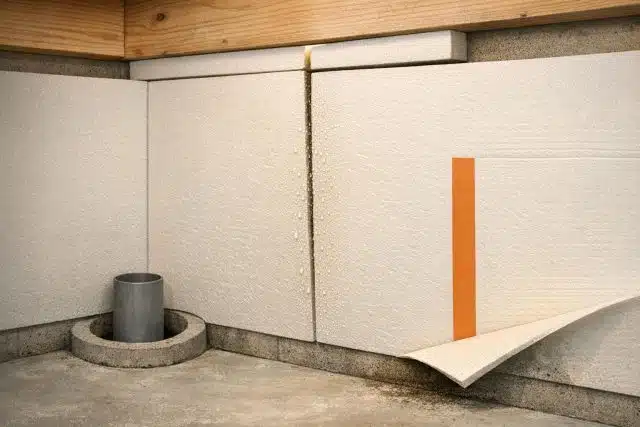
Top 3 Mistakes When Using Rigid Foam Board
Three common rigid foam board errors—unsealed seams, installing over wet/moldy surfaces, and gaps at piers/rim joists—lead to moisture, mold, and energy loss.

Three common rigid foam board errors—unsealed seams, installing over wet/moldy surfaces, and gaps at piers/rim joists—lead to moisture, mold, and energy loss.
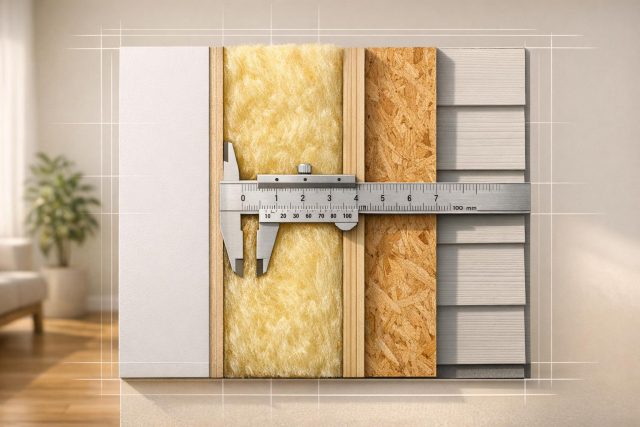
Calculate the perfect insulation thickness for your home with our easy tool. Save on energy bills by optimizing R-value for your climate and materials!
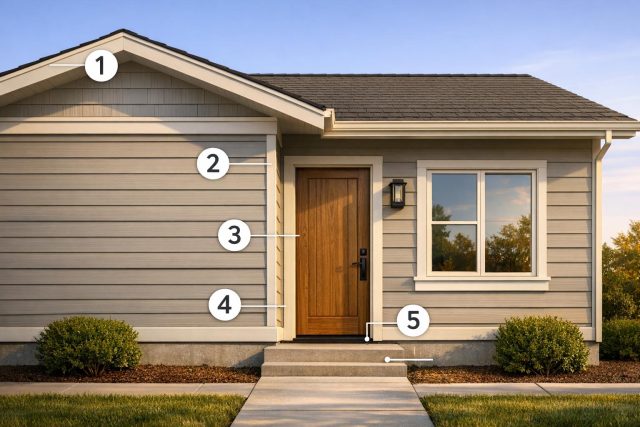
Step-by-step visual inspection checklist for roof, walls, windows, seals, and foundation, plus tools, documentation tips, and when to call a pro.
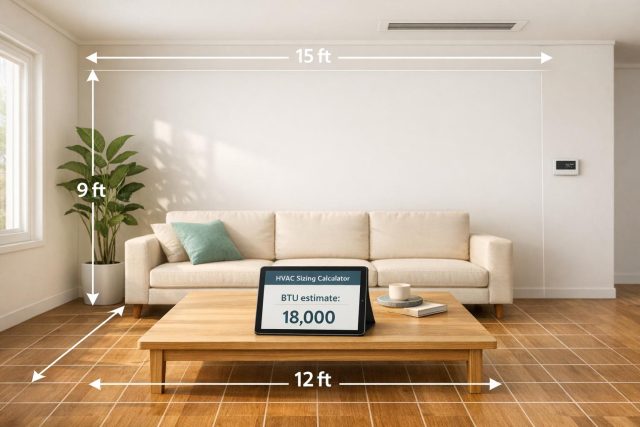
Need the right HVAC size? Use our free calculator to estimate BTUs for your space based on dimensions, location, and more. Get comfy now!

How radiant ceiling and wall panels use infrared heat to warm people and surfaces, lower heating costs, improve air quality, and qualify for rebates.
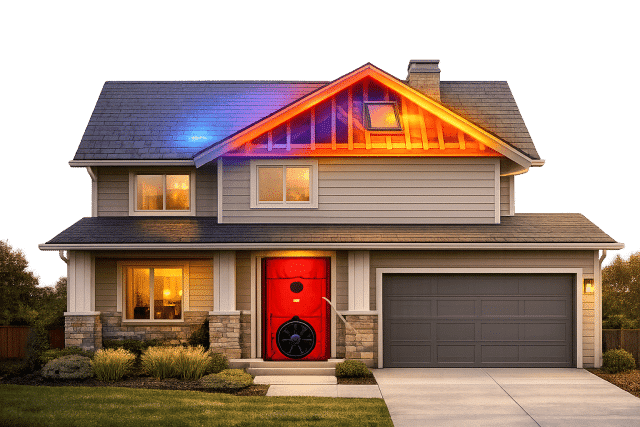
Thermal imaging pinpoints leaks and moisture while blower door tests measure airtightness—using both provides a complete roof and attic energy diagnosis.

Worried about your indoor air? Use our free assessment tool to evaluate your home or office air quality and get tailored tips to breathe easier!
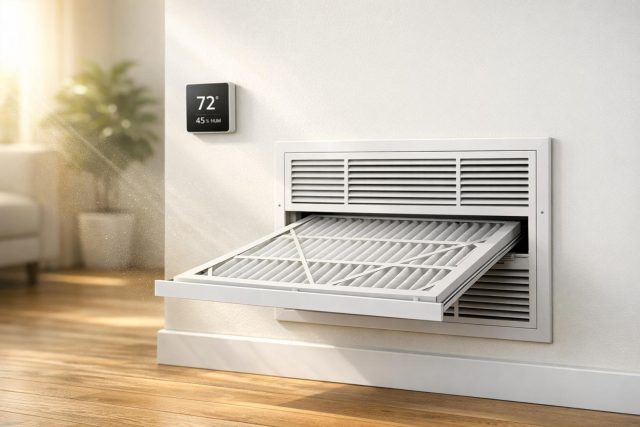
How HVAC upgrades—filters, humidity control, UV lights, and maintenance—reduce indoor allergens and improve home air quality.
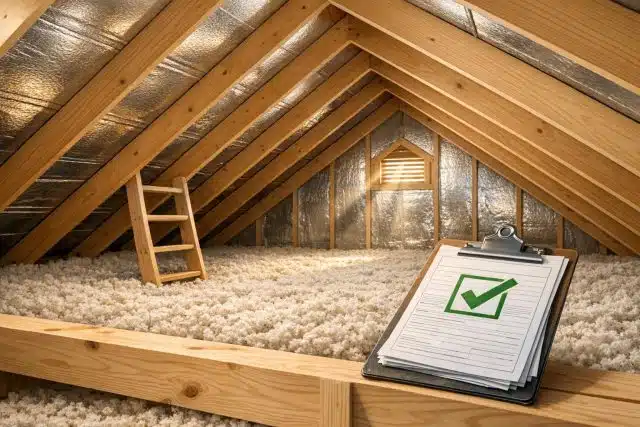
How radiant barriers and attic insulation qualify for federal tax credits and utility rebates, with tips to maximize savings and meet eligibility.
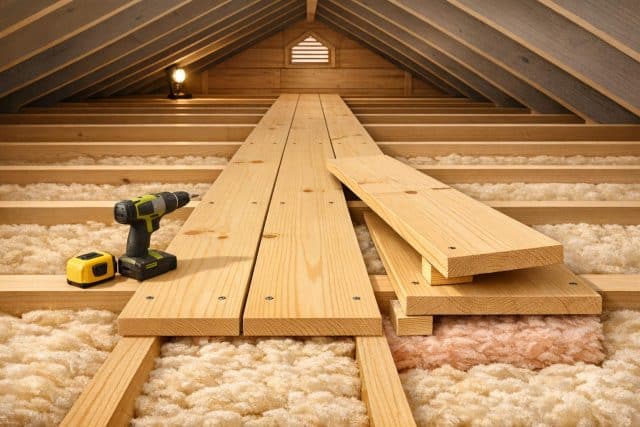
Step-by-step guide to installing attic boards for R38 insulation, improving insulation and roof strength for your home.
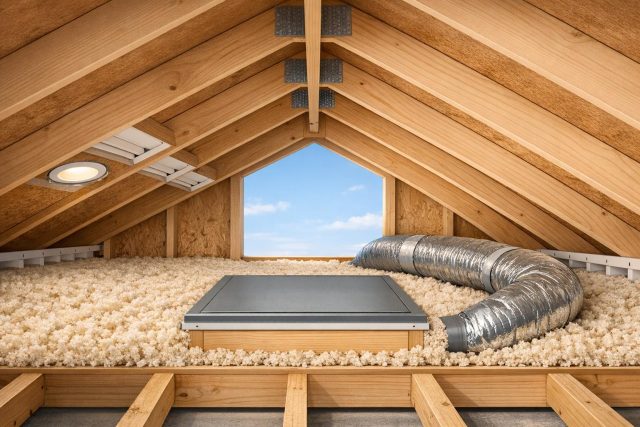
Learn how to improve attic insulation, reduce energy costs, and prevent heat loss with practical tips and insights.
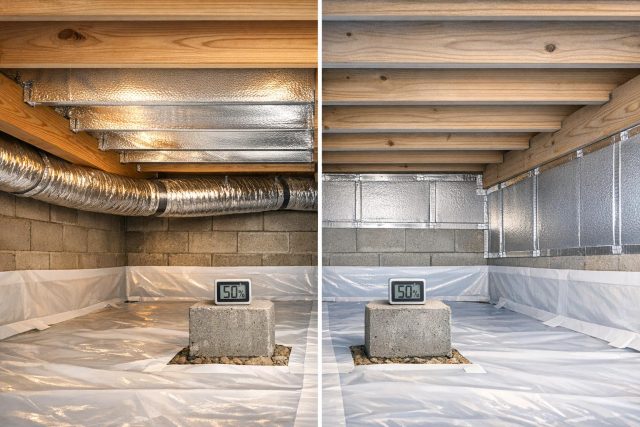
Compare radiant barriers and reflective insulation for crawl spaces — pros, costs, moisture control, and which works best by climate.

Maximize 2025 federal energy tax credits: learn limits, eligibility (PIN/QMID), and how to claim up to $3,200 for heat pumps, weatherization, and clean energy.
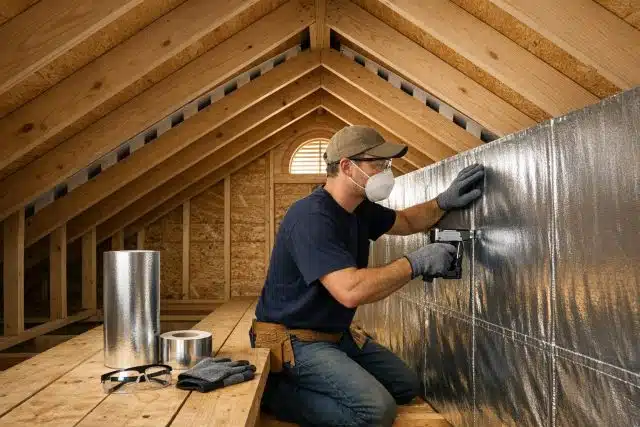
Step-by-step radiant barrier installation guidance covering attic prep, safety, ventilation, common mistakes, and energy-saving results.
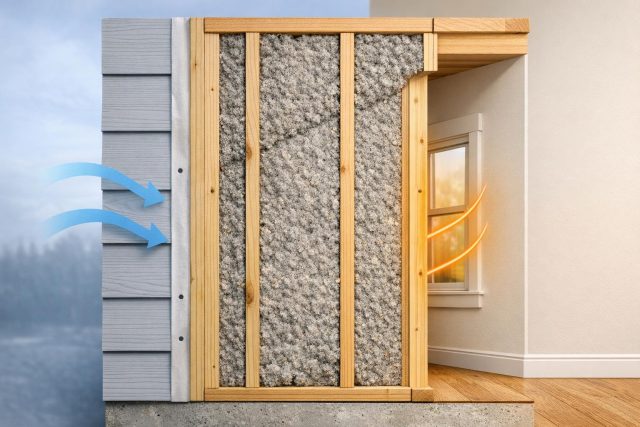
Cellulose insulation blocks air leaks, reduces heat transfer, and can cut heating and cooling costs by about 15% while using mostly recycled materials.

Explore ductless mini‑splits, heat pumps, and high‑velocity systems for older homes, plus insulation, duct sealing, smart thermostats, and maintenance tips.
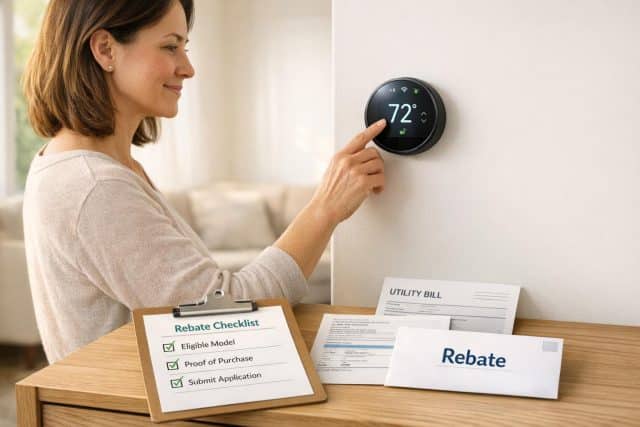
Step-by-step guide to finding and claiming ENERGY STAR smart thermostat rebates, eligibility, required documents, deadlines, and bundling tips for bigger savings.
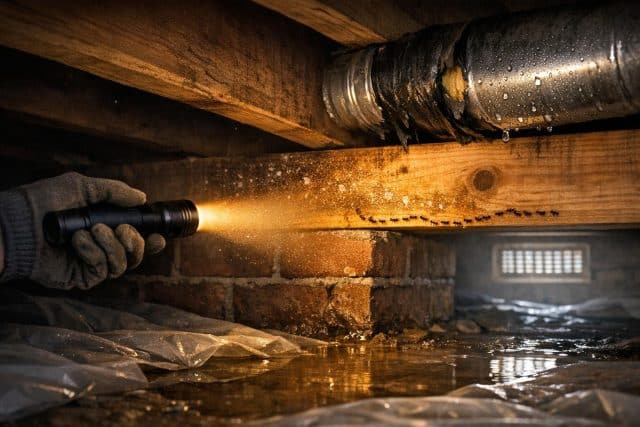
Hidden crawl space problems—sagging floors, mold, standing water, pests, and rising energy bills—are signs your home needs immediate repair to protect structure and air quality.
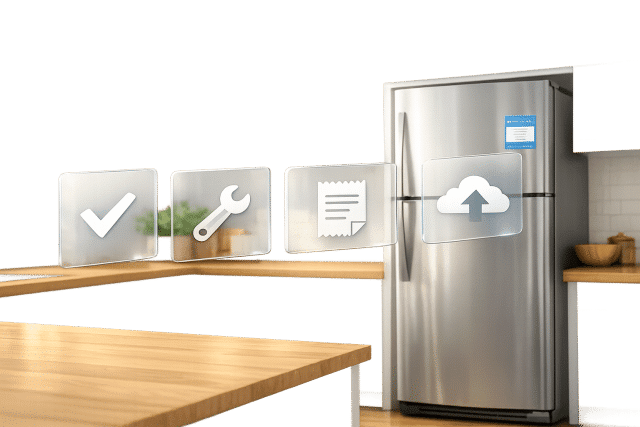
Learn how to qualify for federal, state, and utility rebates for ENERGY STAR appliances, with steps for preapproval, installation, and required documentation.
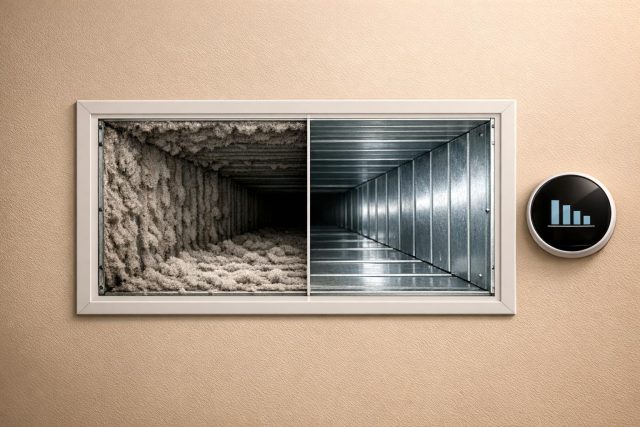
Dirty air ducts reduce HVAC efficiency and raise energy bills; professional cleaning and routine maintenance can cut costs 15-30% and often pay back within months.
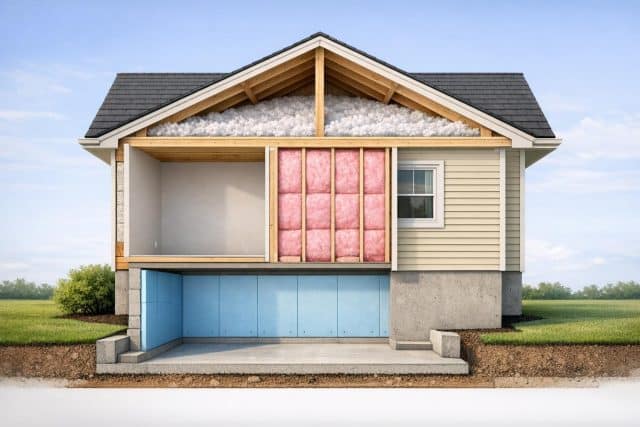
Learn what R-value means, recommended R-values by climate and home area, insulation types, and how to access rebates to lower costs.

Learn which Seattle and federal rebates and tax credits you can combine, eligibility rules, required equipment, and application steps to reduce upgrade costs.
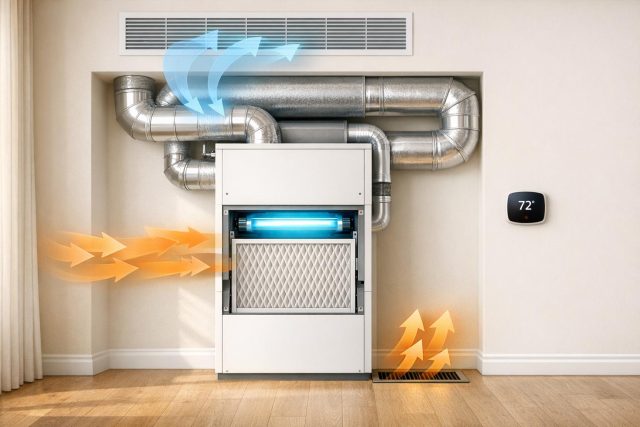
Step-by-step HVAC advice on filters, ventilation, humidity control, UV and smart upgrades to improve indoor air quality, reduce allergens, and save energy.

Five non-toxic ways—vinegar, baking soda, hydrogen peroxide, tea tree oil, and lemon—to remove small mold patches and help prevent regrowth.
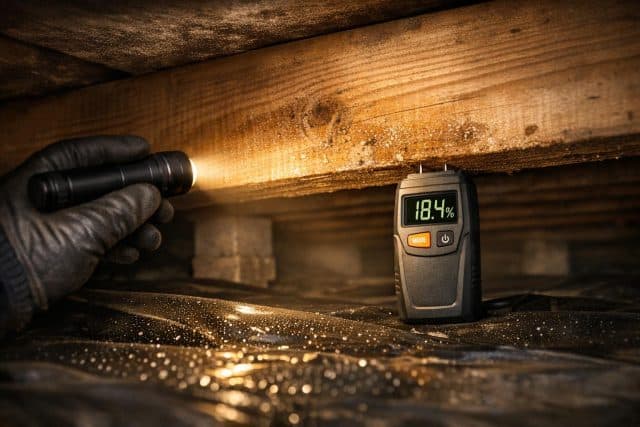
Yearly crawl space inspections detect moisture, mold, pests, and structural issues early to reduce repair costs and improve air quality.
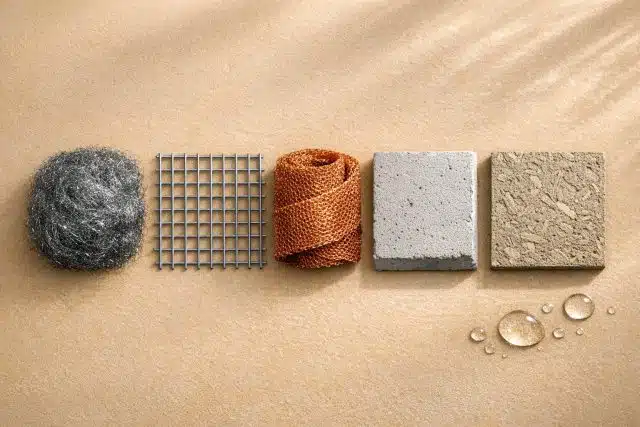
Compare five eco-friendly rodent-proofing materials—stainless steel wool, hardware cloth, copper mesh, aircrete, and cement-bonded wood fiber—for durability, cost, and wet climates.
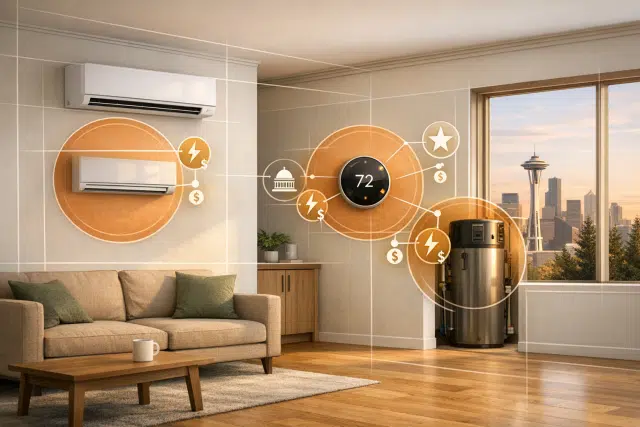
Compare Seattle City Light, PSE, state and federal rebates for heat pumps, water heaters, smart thermostats, eligibility, and how to apply.
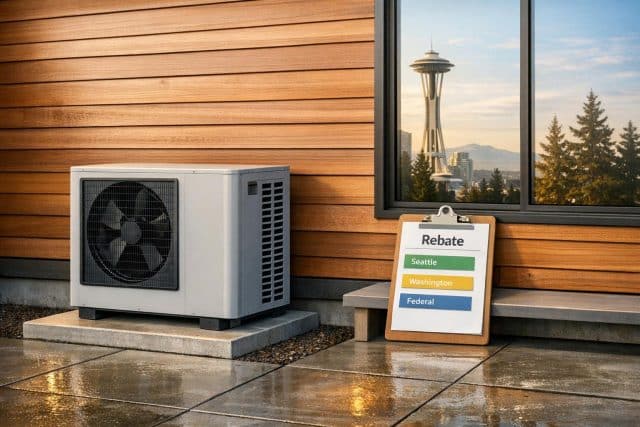
Compare Seattle, state and federal HVAC rebates and heat pump incentives, plus income-based programs and contractor rules to maximize your savings.
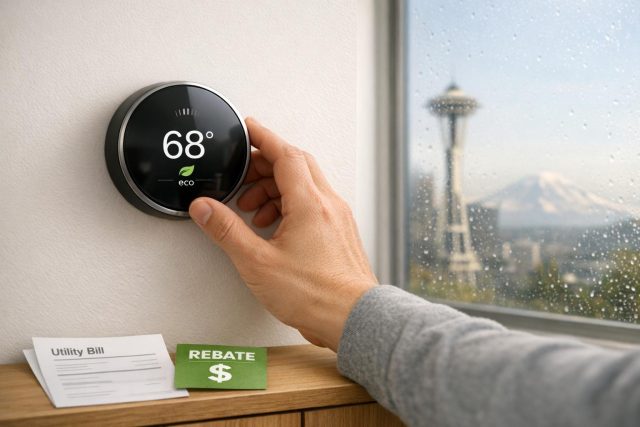
Compare Seattle smart thermostat rebates for 2025 — instant $50–$175 discounts, eligibility rules, program details, and tips to maximize savings.
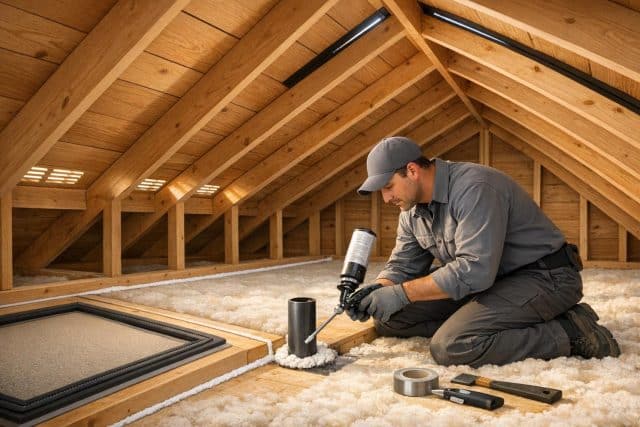
Step-by-step attic air sealing: inspect, seal gaps with caulk or foam, weatherstrip access, and fix ventilation to lower energy bills and prevent moisture.
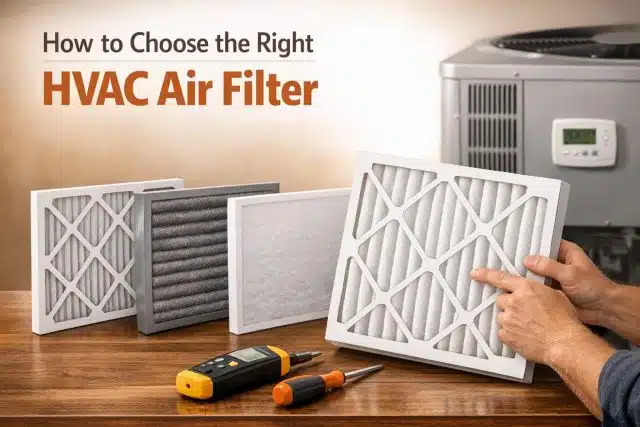
Pick the right HVAC air filter by matching MERV rating to household needs and system limits to improve air quality without hurting performance.
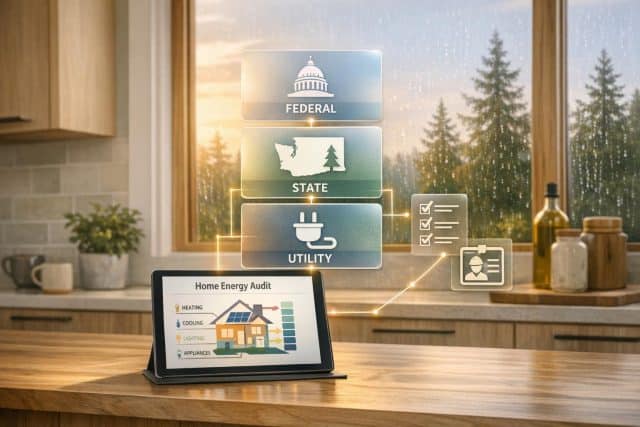
Washington offers layered audit and rebate programs—state, federal, and utility—requiring pre-approval, income limits, and certified contractors to claim funding.
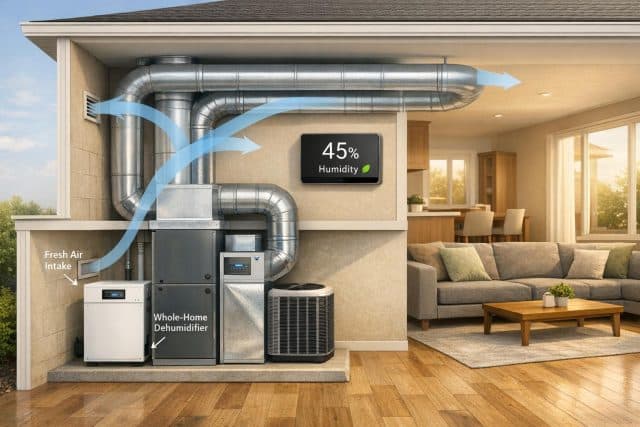
Control indoor humidity with whole-home dehumidifiers, smart controls, duct sealing, HVAC optimization, and ventilation to cut energy use and improve comfort.
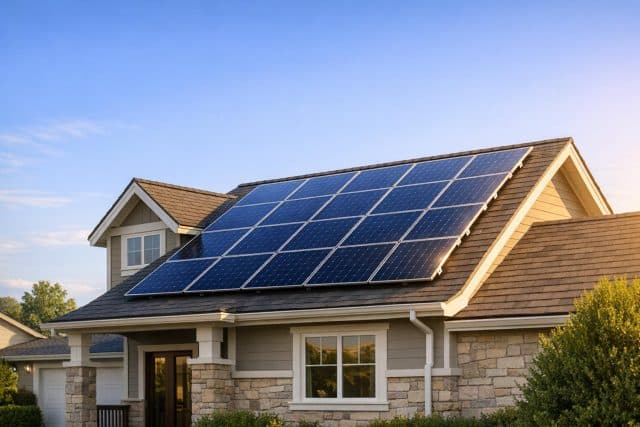
Learn the requirements for the 30% federal residential clean energy credit: ownership, eligible systems, deductible costs, deadlines, and Form 5695 filing.

Short payback isn’t everything — weigh quick returns against lifetime savings and incentives when choosing home energy upgrades.
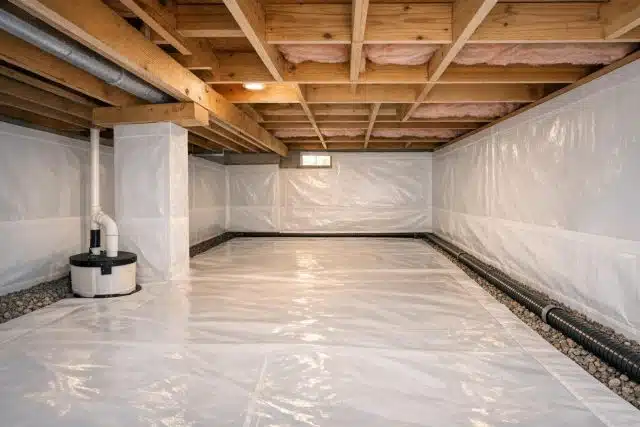
Encapsulation, drainage, and air sealing are essential to stop Pacific Northwest crawl spaces from causing mold, rot, and high energy bills.