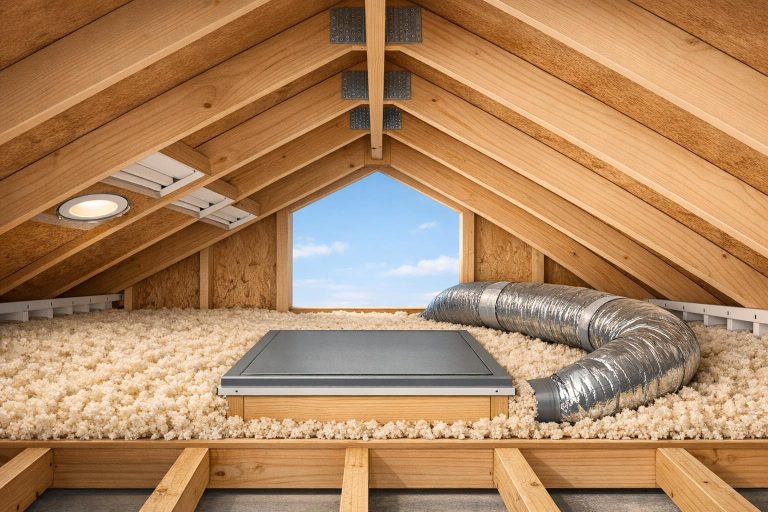

Understanding Crawl Space Humidity: A Homeowner’s Guide
Managing the dampness beneath your home might not be the most exciting task, but it’s crucial for keeping your space healthy and damage-free. Excess moisture in a crawl space can quietly wreak havoc, leading to mold, pests, and even structural issues if left unchecked. That’s where tools like a humidity risk calculator come in handy—they give you a quick way to assess potential problems before they spiral.
Why Moisture Builds Up and How to Spot It
Crawl spaces are often out of sight, out of mind, but their environment directly impacts your home’s air quality. Warm, humid air trapped below can condense on cooler surfaces, especially if ventilation is poor or a protective barrier is missing. By checking factors like relative humidity and temperature, you can pinpoint whether condensation is likely to form. This kind of insight helps you decide if simple fixes, like running a dehumidifier, will do the trick or if bigger interventions are needed.
Taking Control of Dampness
Don’t let a small issue turn into a big repair bill. Regularly monitoring the conditions under your home and acting on early warnings can save you time and money. Whether it’s sealing gaps or improving airflow, small steps go a long way in maintaining a dry, safe foundation.
FAQs
Why does crawl space moisture matter so much?
Moisture in your crawl space can lead to some serious headaches. High humidity down there often means mold growth, musty smells, and even structural damage over time. If the air gets too damp, it can also attract pests or cause your floors to warp. This tool helps you catch those risks early by calculating the dew point—basically, the temperature at which condensation starts forming—and gives you a heads-up on whether you need to take action.
What’s a safe humidity level for a crawl space?
Ideally, you want to keep humidity in your crawl space between 30% and 50%. Anything above 60% is a red flag because it increases the chance of condensation and mold. If your dew point is close to the actual temperature, that’s a sign moisture could be building up. Our converter will flag this risk and suggest steps like adding a dehumidifier or checking your vapor barrier to bring things under control.
Can I trust these results to fix my moisture issues?
This tool is a great starting point to understand what’s going on in your crawl space. It uses a reliable formula to estimate dew point and assess risk based on your inputs. That said, it’s not a substitute for a professional inspection, especially if you’ve got persistent dampness or visible mold. Think of it as a helpful guide to know if you need to call in an expert for a deeper look.