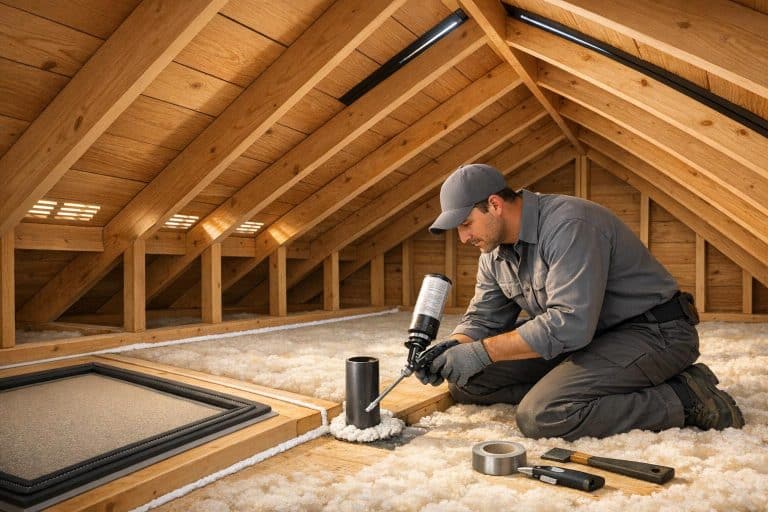

Maximize Savings with an HVAC Energy Efficiency Calculator
If you’ve ever wondered why your energy bills keep climbing, your HVAC system might be the culprit. Heating and cooling account for a huge chunk of household energy use, and an outdated or inefficient unit can quietly drain your wallet. That’s where a tool to assess your system’s performance comes in handy. It lets you estimate annual costs and spot opportunities to save by comparing your current setup to modern, high-efficiency options.
Why Efficiency Matters for Your Home
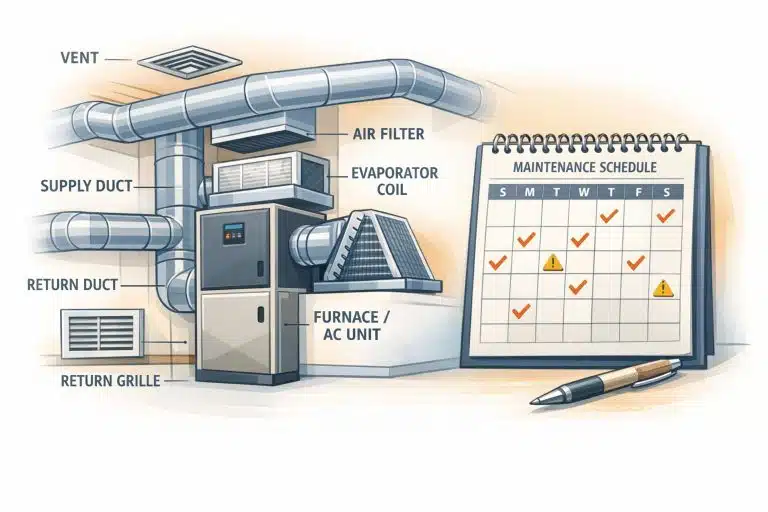
Older HVAC units often operate at lower efficiency levels, meaning they use more electricity to keep your home comfortable. By understanding your system’s energy consumption, you can make smarter choices—whether that’s sticking with regular maintenance or investing in a new unit with a better rating. Beyond cost, efficient systems also reduce your carbon footprint, which is a win for the planet. So, whether you’re troubleshooting high bills or planning a home upgrade, taking a few minutes to evaluate your heating and cooling setup can reveal surprising insights and help you cut expenses over time.
FAQs
How accurate are the energy cost estimates from this tool?
These estimates are based on standard efficiency benchmarks for HVAC systems, factoring in system type, age, and typical SEER ratings. We also use your local electricity rate for better personalization. That said, they’re still approximations—real-world costs can shift due to maintenance, climate, or how often you run your system. Think of this as a starting point to gauge efficiency and explore upgrade options.
What is a SEER rating, and why does it matter?
SEER stands for Seasonal Energy Efficiency Ratio, and it’s a measure of how efficiently your HVAC system cools your space. Higher SEER ratings mean better efficiency, so less energy waste and lower bills. Older systems often have SEER ratings of 8-10, while newer, high-efficiency models can hit 16 or more. Knowing your SEER helps you understand if your system is costing you more than it should.
Should I upgrade my HVAC system based on these results?
Upgrading can make sense if your current system is old or inefficient, especially if the potential savings are significant. But it’s a big investment, so consider other factors like repair costs, how long you plan to stay in your home, and local rebates for energy-efficient units. Use these results as a guide, and maybe chat with a local HVAC pro to get a full picture before deciding.