
Maximize Energy Savings with an Insulation Thickness Calculator
When it comes to keeping your home comfortable without breaking the bank, getting the right amount of insulation is key. Many homeowners overlook how much material they truly need, leading to wasted energy and higher bills. That’s where a tool to calculate insulation thickness comes in handy—it takes the guesswork out of optimizing your home’s thermal performance.
Why Insulation Matters for Your Home
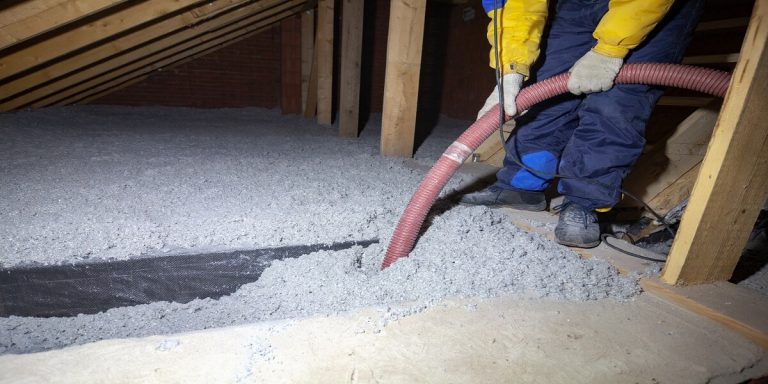
Insulation acts like a barrier, slowing down heat loss in winter and heat gain in summer. But not all homes are built the same. Factors like your wall materials, local weather patterns, and existing setup play a huge role. A tool that figures out the ideal depth for your insulation can make a real difference, ensuring you’re not under- or over-insulating. Plus, it often ties into broader goals like reducing your carbon footprint. By inputting details about your building and location, you get tailored advice that aligns with standard thermal resistance values. It’s a small step that can lead to big savings over time, especially if you’re upgrading an older property or planning a new build.
FAQs
What’s an R-value, and why does it matter for insulation?
R-value measures how well insulation resists heat flow—basically, the higher the number, the better it keeps heat in or out. It matters because the right R-value for your home means lower heating and cooling bills, plus a cozier space. Our tool uses standard R-value tables for common materials to help you hit the sweet spot based on your setup and climate.
How accurate are the results from this converter?
We base our calculations on widely accepted thermal resistance formulas and standard R-value data for materials like wood or brick. That said, results are approximate since real-world factors like installation quality or hidden air leaks can affect performance. Think of this as a solid starting point, and consult a pro for final plans if needed.
Can I use this tool for any building type?
Absolutely, it works for most residential or small commercial spaces with common materials like wood, brick, or concrete. Just keep in mind it’s designed for walls and roofs, not specialty areas like foundations. If you’ve got an unusual setup, the results might need tweaking, but it’s still a great way to get a rough idea.