
Upgrading to a smart thermostat can save you money upfront and on energy bills. Many U.S. utilities offer rebates ranging from $75 to $175, with some programs in the Pacific Northwest offering up to $250. Income-qualified households may receive higher rebates or even cover up to 100% of costs under federal programs like HEAR. To qualify, your thermostat must be ENERGY STAR-certified and compatible with your HVAC system.
Here’s how to claim your rebate:
- Buy an Eligible Thermostat: Use the ENERGY STAR Rebate Finder to ensure your model qualifies.
- Gather Documents: Keep your receipt, utility account number, and thermostat details. Proof of Wi-Fi setup may also be required.
- Submit Your Application: Follow your utility’s instructions and meet deadlines (usually 60–180 days). Some programs offer instant rebates at checkout.
Rebate checks typically arrive in 4–8 weeks. Avoid issues by ensuring your thermostat is on the approved list, submitting complete paperwork, and meeting deadlines. Professional installation can simplify the process and increase approval chances. For higher savings, consider bundling upgrades like insulation or heat pump installation with your thermostat to qualify for additional rebates.
TAX Program Means HVAC Money! Here’s How!
sbb-itb-8db64ac
Who Qualifies for Smart Thermostat Rebates
Eligibility for smart thermostat rebates hinges on a few key factors: where you live, the type of property you have, your HVAC system, and the device’s features. Knowing these specifics in advance can help you pick a thermostat that meets the requirements.
Location and Property Type
Your zip code plays a big role in determining which rebates are available. Most programs are run by local utility companies, so offerings can vary widely. To check what’s available in your area, use the ENERGY STAR Rebate Finder – just enter your zip code. Some regions offer no rebates, while others may provide incentives ranging from $75 to $175.
Both single-family and multifamily properties are typically eligible for most programs, including the federal Home Electrification and Appliances Rebate (HEAR) Program. Renters can also qualify for certain rebates, though you might need your landlord’s approval before installing a new thermostat. Income-based programs like HEAR are designed to assist households earning less than 150% of the area median income. For those under 80% AMI, these programs can cover up to 100% of costs, while households between 80–150% AMI may receive up to 50% coverage.
HVAC System Compatibility
Your current heating and cooling system must support a smart thermostat to qualify for rebates. Most programs apply to forced-air systems installed after 1975, such as central furnaces, heat pumps, and boilers. However, homes with baseboard heating, biofuel systems, or in-wall heaters often require line-voltage thermostats, which may not qualify for rebates.
To check compatibility, remove your thermostat’s cover and look for low-voltage wiring. Most smart thermostats require a C-wire (Common wire) to stay powered for features like Wi-Fi connectivity. If your system lacks a C-wire, you might need an adapter or a model designed to work without one. For homes with advanced systems like variable-speed, multi-stage, or zoned HVAC setups, you may need a professional-grade thermostat, so consulting an HVAC technician is a good idea.
Wi-Fi and Smart Features
Your thermostat must also meet certain connectivity requirements. Many utility companies, such as Puget Sound Energy, mandate features like remote control via Wi-Fi. Some even require built-in motion sensors or those included with the device – geofencing alone may not suffice. A strong Wi-Fi signal at the thermostat’s location is essential, as poor connectivity can disrupt performance and void rebate eligibility. If your router is too far away, a Wi-Fi range extender can help maintain a stable connection.
Once you’ve confirmed eligibility based on location, HVAC compatibility, and connectivity, you’re ready to move forward with claiming your rebate in the next steps.
How to Claim Your Rebate
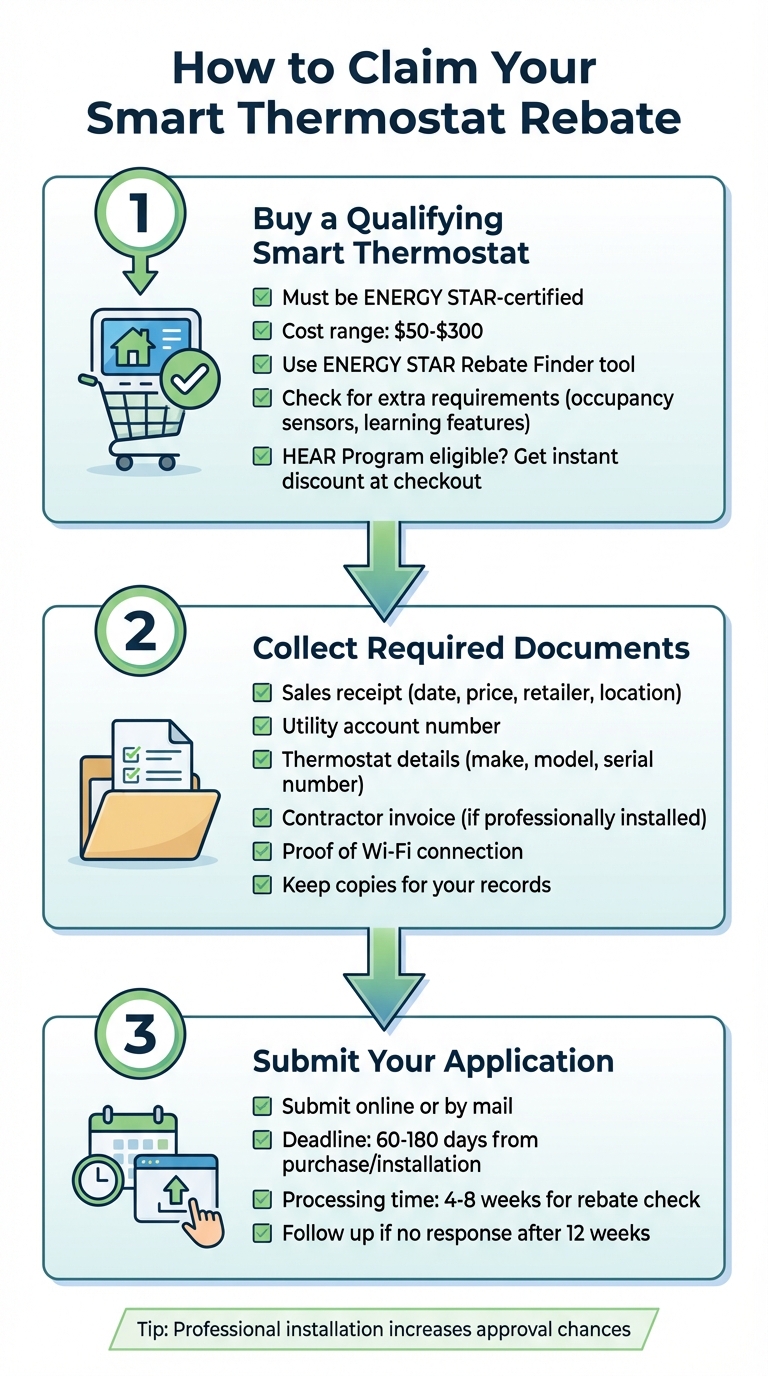
3-Step Process to Claim Smart Thermostat Rebates
Once you’ve confirmed your eligibility, it’s time to move forward with claiming your rebate. You may also qualify for the Energy Smart Boost Program for additional home efficiency upgrades. Most utility companies follow a straightforward process: purchase an eligible thermostat, gather the necessary documents, and submit your application on time. The first step is getting the right thermostat.
Step 1: Buy a Qualifying Smart Thermostat
Start by selecting an ENERGY STAR-certified smart thermostat – this certification is a must for almost all utility rebate programs. These thermostats usually cost between $50 and $300, depending on the features they offer. To make sure you’re buying a model that qualifies for a rebate in your area, use the ENERGY STAR Rebate Finder tool. Keep in mind that some programs might have extra requirements, like occupancy sensors or specific learning features, so double-check your utility’s guidelines.
If you’re eligible for the Home Electrification and Appliances Rebate (HEAR) Program, you might be able to get your rebate as an instant discount at checkout instead of waiting for a reimbursement. This option is available for households earning less than 150% of the area median income, which could save you from dealing with post-purchase paperwork. Once you’ve bought your thermostat, it’s time to gather the required documents.
Step 2: Collect Required Documents
Make sure you have all the necessary paperwork before submitting your rebate application. Here’s what you’ll typically need:
- A copy of your sales receipt, showing the purchase date, price, retailer name, and location.
- Your utility account number, which you can find on a recent bill.
- Details about the thermostat, including its make, model, and serial number.
If you hired a contractor for installation, include their invoice, which should list the installation date and the contractor’s business name. Many rebate programs also require proof that your thermostat is connected to Wi-Fi. To meet this requirement, complete the manufacturer’s registration process and connect the device to your home network. Keep copies of all documents for your records. Once everything is ready, you can move on to the final step.
Step 3: Submit Your Application
Most utility companies offer online submission options through their websites, although some still accept mail-in applications. Pay close attention to the deadlines – many programs require applications within 60 to 180 days of purchase or installation, and some have annual cutoff dates.
After submitting, rebate checks usually arrive within 4–8 weeks, but processing times can vary depending on the provider. If you don’t receive your rebate within 12 weeks, reach out to your utility’s rebate department to follow up.
Common Mistakes and How to Avoid Them
Filing a rebate application might seem straightforward, but even minor mistakes can lead to delays or outright rejection. Understanding common missteps can save you time and frustration.
Errors to Watch For
First, make sure you’re buying the right product. Rebates are ONLY available for new, ENERGY STAR-certified models – used units don’t qualify. Use the ENERGY STAR product search tool to confirm your model is eligible. Also, keep in mind that rebates typically apply to upgrades in existing homes, not new constructions.
Another common issue is missing or incomplete documentation. You’ll need to hold on to your purchase receipts, installation records, and ENERGY STAR labels. These documents aren’t just for the rebate – they’re also essential for tax purposes. If you’re planning to claim federal tax credits, remember to subtract any utility rebates from your total cost before calculating the credit. Forgetting this step could result in an audit.
Timing is another critical factor. Many utilities enforce strict deadlines, requiring you to submit your application within 30 to 90 days of purchase or installation. For example, ComEd in Illinois mandates submissions by February 28, 2026, or within 60 days of purchase – whichever comes first. Miss the deadline, and you lose the rebate, no matter how qualified your purchase is.
By staying vigilant about these details, you can avoid unnecessary delays and improve your chances of success.
How to Get Approved
Once you’ve sidestepped these common pitfalls, focus on ensuring your application is airtight. Before purchasing, confirm that your thermostat or appliance is on your utility’s approved list and that your home meets all eligibility criteria. Keep all relevant paperwork – receipts, invoices, model numbers, and serial numbers – in one organized place.
Opting for professional installation can also make a big difference. While DIY installation might be tempting, hiring a professional ensures everything is done correctly and aligns with rebate requirements. Companies like Envirosmart Solution can handle the installation and provide accurate documentation, making the entire process smoother. Taking this route reduces errors and increases the likelihood of approval.
Increase Your Savings with Energy Efficiency Upgrades
Why Bundle Energy Efficiency Services
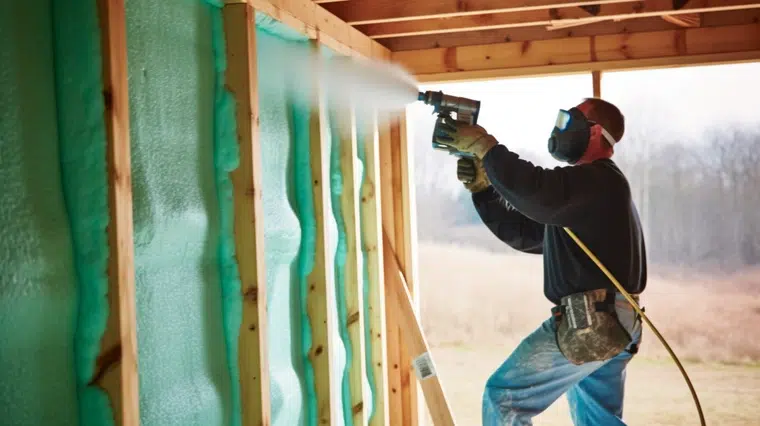
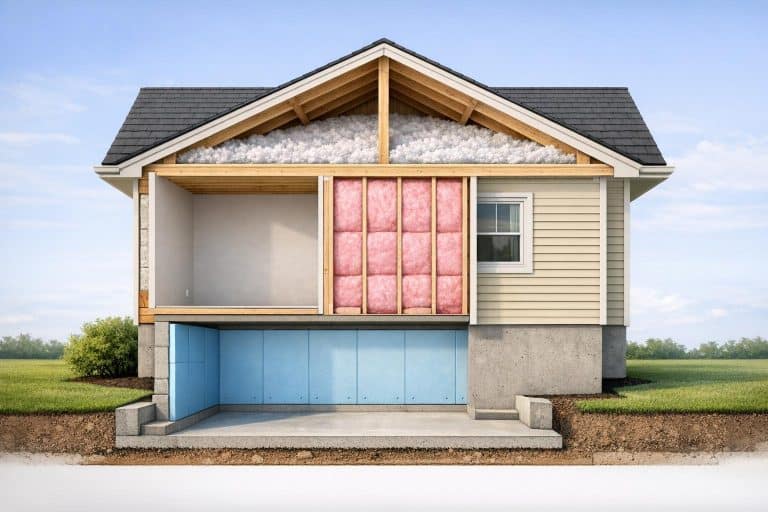
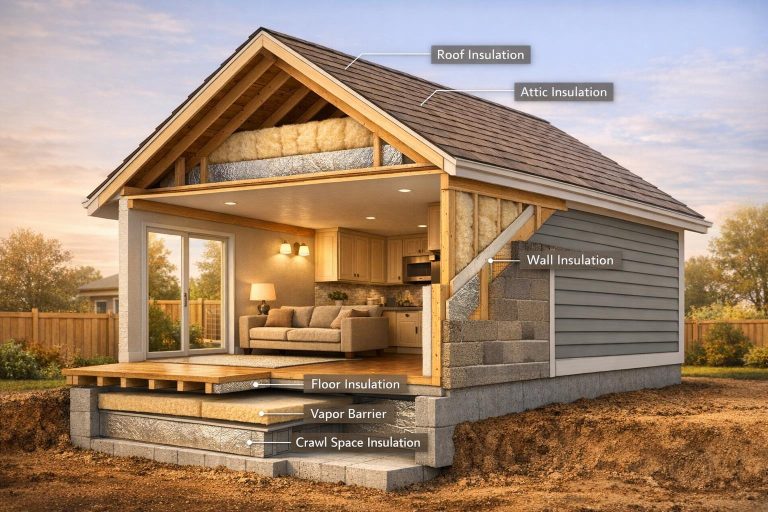
Once you’ve snagged a rebate for your smart thermostat, think about bundling it with other energy efficiency upgrades to stretch your savings even further. While a smart thermostat alone can cut energy bills, combining it with other improvements opens the door to larger rebates. For example, the Home Efficiency Rebates (HOMES) program requires at least a 20% "whole-house" energy savings to qualify. That means pairing your thermostat with upgrades like better insulation or a heat pump installation is key.
Here’s a real-world example: In July 2024, the U.S. Department of the Treasury shared how the Winthrop family bundled a $450 energy audit, $2,500 attic insulation, a $3,000 heat pump, and a $200 smart thermostat. Together, these upgrades achieved more than 20% energy savings, making them eligible for a $2,000 HOMES rebate. After applying the rebate and 25C tax credits, their total cost dropped from $6,150 to just $2,945.
For low-income households – those earning less than 80% of their area’s median income – the savings can be even more substantial. The HEAR program offers up to $14,000 in rebates for bundled upgrades, and in some cases, it can cover the entire cost.
| Program | Energy Savings Required | Maximum Rebate (Standard) | Maximum Rebate (Low-Income) |
|---|---|---|---|
| HOMES | ≥20% savings | $2,000 or 50% of cost | $4,000 or 80% of cost |
| HOMES | ≥35% savings | $4,000 or 50% of cost | $8,000 or 80% of cost |
| HEAR | N/A | Varies by upgrade | Up to $14,000 total |
How Envirosmart Solution Can Help
Sorting through the maze of rebate programs can feel daunting, especially when you’re juggling insulation, HVAC improvements, and all the paperwork. That’s where Envirosmart Solution steps in. They specialize in helping Pacific Northwest homeowners maximize savings by streamlining access to government, local, and vendor rebates – all in one place. From attic insulation and air sealing to heat pump installation and smart thermostat setup, they handle every step to ensure your project qualifies for the highest rebates.
Their team is well-versed in the specific rules for programs like HOMES and HEAR, including the importance of professional installation and accurate documentation. By bundling services with one provider, you can avoid costly mistakes that might delay or disqualify your rebate application. Plus, their annual maintenance packages help keep your new systems running efficiently for years to come.
Bundling upgrades through Envirosmart Solution doesn’t just cut down on installation costs – it also makes your home more energy-efficient for the long haul.
Conclusion
Make sure your ENERGY STAR®-certified thermostat is included on your utility’s Qualified Products List, works with your heating system, and that you submit a complete application within the required timeframe.
Standard rebates usually fall between $75 and $100, but income-qualified households may be eligible for programs offering up to $175. Rebate processing can take about eight weeks, so it’s a good idea to keep electronic copies of all your documentation. Considering heating and cooling make up nearly 50% of the average American household’s annual energy costs – over $900 a year – these rebates can make a noticeable difference.
Expert help can make the rebate process even smoother. Many major rebate programs require professional installation to qualify. Professionals not only ensure your system is compatible but also provide the necessary invoices and license numbers for approval. This support can save you time and ensure all requirements are met for a successful rebate application.
For homeowners in the Pacific Northwest, Envirosmart Solution offers a streamlined way to access government, local, and vendor rebates. Their team takes care of verifying equipment eligibility, proper installation, and submitting the necessary documentation. They can also help you bundle your smart thermostat with services like insulation or HVAC upgrades, potentially unlocking larger rebates while improving your home’s overall efficiency.
To make the most of your rebate, confirm eligibility, keep detailed records, and consider professional assistance. With the right approach, a simple thermostat rebate can lead to significant long-term energy savings.
FAQs
How do I know if my HVAC system is compatible with a smart thermostat?
To ensure compatibility, verify that your HVAC system is a central heating and cooling setup. This includes systems like an electric forced-air furnace or an air source heat pump. Your system should also support Wi-Fi-enabled thermostats and generally operate as a single-zone system. If you’re uncertain, take a closer look at your current equipment or reach out to your HVAC manufacturer or a professional installer for assistance.
What documents do I need to submit a smart thermostat rebate?
To get a rebate for a smart thermostat, you’ll typically need a copy of your sales receipt or contractor invoice. This document should include the product details, purchase price, date, and retailer. Some programs might also ask for proof of registration or installation, along with your account or property information. Make sure to review the specific requirements of the rebate program to see if any extra documentation is necessary.
Can I get an instant rebate at checkout instead of waiting for a check?
Certain rebate programs offer instant savings right at checkout. For instance, you might see rebates like $50 from UGI or $85 from Con Edison automatically applied when you make a purchase or sign up for eligible programs. Be sure to review the specific terms of your rebate program to understand how it works.