
If you’re planning home upgrades in 2025, you can save up to $3,200 annually through federal energy tax credits introduced by the Inflation Reduction Act of 2022. Here’s what you need to know:
- Credit Limits: Claim up to $2,000 for heat pumps, water heaters, and biomass stoves, plus $1,200 for other upgrades like insulation, windows, and doors.
- Eligibility: Improvements must meet specific efficiency standards, and starting in 2025, most products will require a Product Identification Number (PIN) or Qualified Manufacturer Code on your tax return.
- Key Upgrades:
- Heat Pumps: 30% credit, capped at $2,000 annually.
- Insulation & Air Sealing: 30% credit for materials, capped at $1,200.
- Windows & Doors: Up to $600 for windows and $500 for doors.
- Clean Energy Systems: 30% credit with no annual cap for solar panels, battery storage, and more.
Pro Tip: Combine federal credits with state rebates to maximize savings by calculating your potential incentives. For example, states may offer up to $8,000 for heat pumps or $1,600 for insulation upgrades.
Plan strategically to spread projects over multiple years and claim the full annual credit limit. Always confirm eligibility before purchasing, and keep documentation such as receipts and product certifications for your tax return.
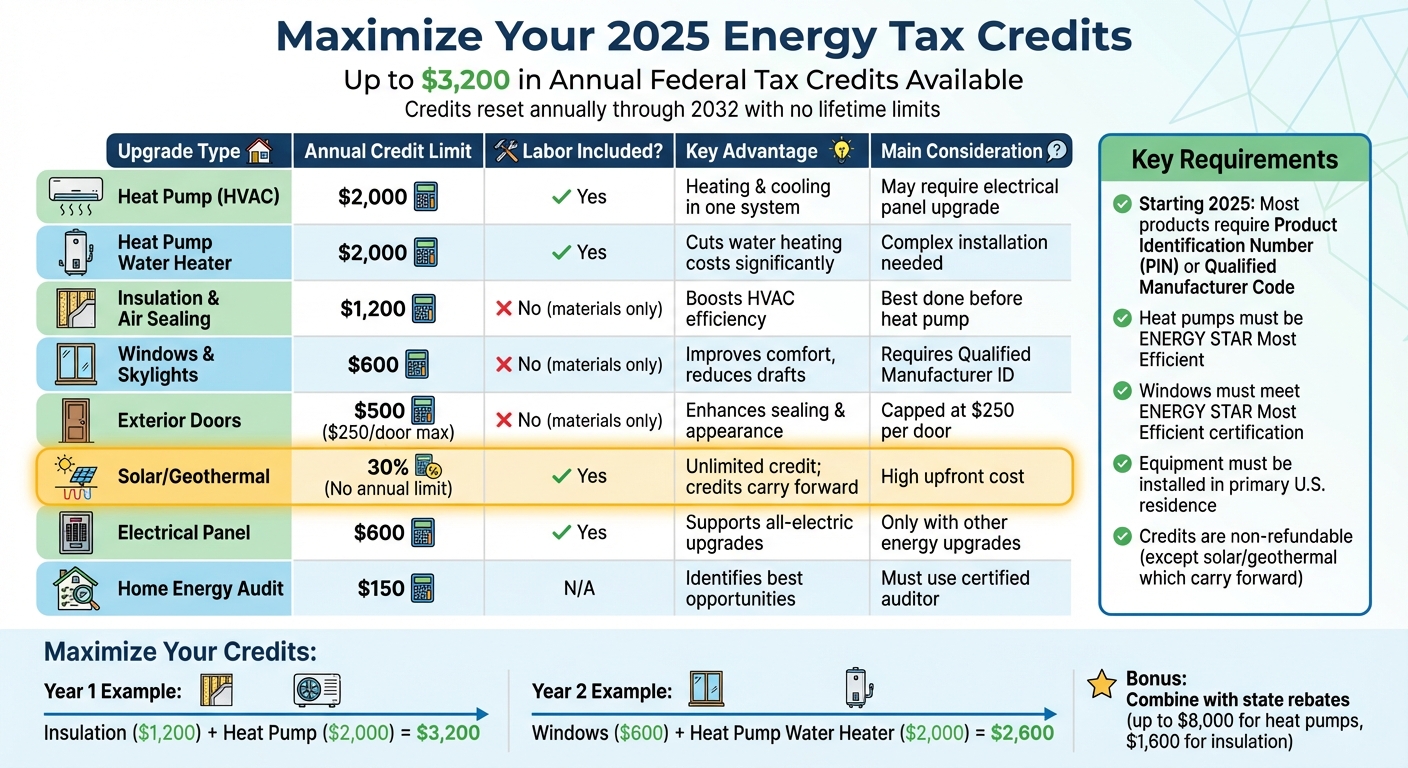
2025 Federal Energy Tax Credits Comparison Guide for Home Upgrades
Hurry Before Energy Tax Credits Disappear in 2025!
sbb-itb-8db64ac
1. Heat Pump Upgrades
Heat pumps are a smart option for both heating and cooling, offering an efficient system that can lower your energy bills. Plus, they come with enticing tax benefits.
Tax Credit Limits
The federal government provides a 30% tax credit for heat pump installations, capped at $2,000 annually. This is separate from the $1,200 annual limit for other weatherization projects, meaning you can claim both in the same year for a combined credit of up to $3,200. However, the credit is non-refundable – it can only reduce your tax bill to zero, with no refund or carryover for unused amounts.
Here’s an example: In 2025, Elephant Energy documented a $25,000 heat pump project. After deducting $350 in permit fees and a $7,500 utility rebate, the 30% calculation came to $5,145. But due to the $2,000 cap, the homeowner only received that maximum credit amount. The formula looks like this:
(Total project cost − permit fees − utility rebates) × 30% = tax credit (capped at $2,000).
Eligibility Requirements
Starting in 2025, only air source heat pumps recognized as "ENERGY STAR Most Efficient" will qualify for the credit. The equipment must also come from a "qualified manufacturer", and you’ll need to include a Qualified Manufacturer Identification Number (QMID) on your tax return. Some examples of QMID codes include: Mitsubishi (E8X7), Bosch (K3M2), Rheem (K3A8), LG (S8T5), and Carrier/Bryant (N8H2).
"As of January 1, 2025, air source heat pumps that are recognized as ENERGY STAR Most Efficient are eligible for this credit." – Denise Minor-Hoes, ENERGY STAR Certified Products
To qualify, the heat pump must be installed in your primary residence in the United States between January 1, 2025, and December 31, 2025, and it must be operational within that timeframe. New construction and rental properties typically don’t qualify. Before purchasing, confirm that your contractor can provide the QMID and verify that the model meets the "Most Efficient" criteria.
Pairing federal credits with state rebates can stretch your savings even further.
Additional Benefits or Services
In addition to the federal tax credit, state programs funded by the Inflation Reduction Act can provide rebates of up to $8,000 for heat pumps, depending on your household income. When calculating the federal tax credit, you must first subtract any utility subsidies or rebates from the total project cost.
Timing your upgrades strategically can also help. Since the $2,000 cap resets every year with no lifetime limit, you could install a heat pump one year and a heat pump water heater (also eligible for $2,000) the next year. To avoid oversizing your system, consider improving insulation and sealing air leaks before installation. You can also claim an additional $150 credit for a professional home energy audit and up to $600 for electrical panel upgrades if done alongside your heat pump installation.
For homeowners in the Pacific Northwest, Envirosmart Solution offers expert heat pump installation and guidance on maximizing savings through government and local rebates. Their service ensures you get the most out of your energy-efficient upgrades.
2. Insulation and Air Sealing Improvements
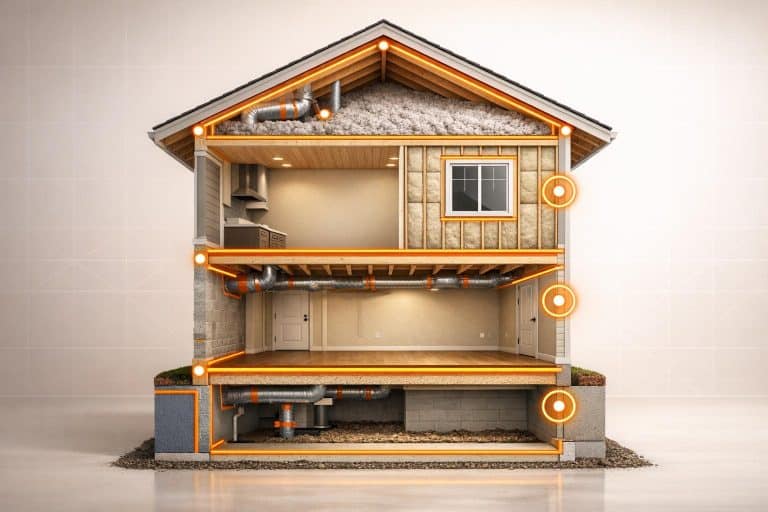
Making upgrades to insulation and sealing air leaks can cut energy costs, qualify for tax credits, and work well alongside other efficiency projects. These upgrades are structured to help homeowners take full advantage of annual tax benefits.
Tax Credit Limits
Under the federal energy efficiency program for 2025, homeowners can claim 30% of the cost of insulation and air sealing materials, with an annual cap of $1,200. This limit is shared with other building envelope improvements, such as windows, doors, and skylights. There’s no lifetime cap, meaning you can claim up to $1,200 every year as long as you make qualifying upgrades. Keep in mind, though, that this credit only applies to material costs – labor and installation expenses are not included. Also, since the credit is nonrefundable, it can only reduce your tax liability for the year and cannot be carried over to future tax years.
Eligibility Requirements
This credit applies to existing primary residences in the United States and excludes new construction. Eligible materials installed in 2025 must comply with the IECC standards effective as of January 1, 2023. Qualifying materials include a variety of insulation types – batts, rolls, blow-in fibers, rigid boards, expanding spray, and pour-in-place insulation. Air sealing products such as weather stripping, caulk, spray foam in a can, and house wrap also qualify, provided they come with a Manufacturer’s Certification Statement. These products are not subject to the new Qualified Manufacturer Identification Number requirement.
Additional Benefits
Combining insulation upgrades with a professional energy audit can help pinpoint the most cost-effective improvements. Even better, the energy audit itself qualifies for a separate 30% tax credit, up to $150. Additionally, some state programs offer rebates of up to $1,600 for attic insulation and air sealing if you meet certain income criteria.
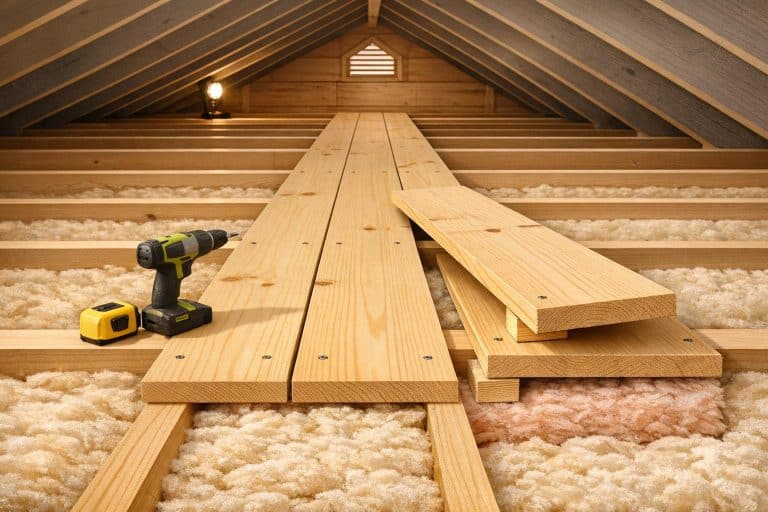
"It is always wise to optimize your attic insulation first, so you don’t pay for more heating and cooling than you actually need." – ENERGY STAR
With the $1,200 annual cap for building envelope improvements, spreading larger projects over several years might be a smart strategy. For homeowners in the Pacific Northwest, Envirosmart Solution offers insulation and air sealing services, along with expert advice on combining federal tax credits with state and local rebates to lower your overall expenses.
3. Windows, Doors, and Energy Audits
After tackling insulation and air sealing, turning your attention to windows, doors, and energy audits can further improve your home’s efficiency while unlocking additional tax benefits.
Replacing windows and doors can lower energy bills and qualify you for a 30% federal tax credit on the cost of the products (note: labor and installation aren’t included).
Tax Credit Limits
The annual limit for building envelope improvements is $1,200. Within this cap, you can claim:
- Up to $600 per year for all exterior windows and skylights combined.
- Up to $250 per exterior door, with a total door credit capped at $500 annually.
- A 30% credit up to $150 for a professional home energy audit.
These limits reset every year, giving you the chance to plan projects over time and maximize your savings.
Eligibility Requirements
To qualify for these credits, specific criteria must be met:
- Windows and Skylights (2025 installations): Must meet the "ENERGY STAR Most Efficient" certification.
- Exterior Doors: Must meet ENERGY STAR standards for your climate zone.
- A Qualified Manufacturer Identification Number (QMID), a four-digit code provided by the retailer, must be included on your tax return.
- The property must be your primary U.S. residence and an existing structure (new construction doesn’t qualify).
- For energy audits, the assessment must be conducted by a certified auditor approved by the Department of Energy. The auditor must provide a written report with their Employer Identification Number (EIN) and certification details.
These requirements ensure that upgrades meet energy-efficiency standards and provide clear guidelines for claiming the credits.
Additional Benefits
A home energy audit can pinpoint which window and door upgrades will deliver the greatest energy and cost savings. Since only material costs qualify for the credit, spreading large projects over several years can help you take full advantage of the annual limits.
For homeowners in the Pacific Northwest, Envirosmart Solution offers services to coordinate energy audits, assess windows and doors, and guide you in combining federal tax credits with state and utility rebates. This approach ensures you get the most out of your investment in energy efficiency.
4. Clean Energy Equipment
Expanding on earlier home upgrades, clean energy equipment introduces another opportunity to cut energy costs while enhancing your property. This category includes renewable energy systems like solar panels, geothermal heat pumps, and battery storage, which not only lower utility bills but also qualify for the Residential Clean Energy Credit. This credit covers 30% of the total installation cost, including both equipment and labor, for systems installed by December 31, 2032.
Tax Credit Details
One of the standout features of the Residential Clean Energy Credit is its lack of annual or lifetime dollar limits for most clean energy equipment. The exception here is fuel cell property, which is capped at $500 per half-kilowatt of capacity. Additionally, if the credit exceeds your tax liability for the year, the unused portion rolls forward to offset future tax bills.
Qualifying for the Credit
To claim the credit in 2025, the equipment must be new and installed in a U.S. residence. Both primary and secondary homes are eligible for most systems, though fuel cells are restricted to primary residences. Renters can also qualify if they purchase and install the equipment themselves. For installations in 2025, you’ll need to include a 17-character Product Identification Number (PIN) or a 4-character Qualified Manufacturer Code on your tax return. Specific requirements include:
- Battery storage systems: Must have a capacity of at least 3 kilowatt-hours.
- Solar water heaters: Must derive at least 50% of their energy from the sun and be certified by the Solar Rating Certification Corporation.
- Geothermal heat pumps: Must meet Energy Star standards.
Installation Costs and Coverage
The 30% tax credit applies to the entire installation cost, including labor for tasks like preparation, assembly, and wiring. Any utility rebates or manufacturer incentives are deducted before calculating the credit. This comprehensive inclusion of labor costs sets clean energy projects apart from many other home improvement efforts.
Maximizing Benefits
For homeowners in the Pacific Northwest, companies like Envirosmart Solution can assist in navigating federal tax credits along with state and utility rebates. Their expertise ensures you take full advantage of every available incentive when upgrading to clean energy systems. Keep all relevant documentation – such as receipts, manufacturer certifications, and PIN codes – for at least five years in case of an IRS review. Incorporating clean energy systems not only reduces costs but also complements other energy efficiency improvements, creating a well-rounded approach to home upgrades.
Advantages and Disadvantages of Each Upgrade
When planning your 2025 upgrades, weighing the pros and cons is crucial for making the most of federal tax credits. Each option has its own mix of upfront costs, tax incentives, and potential long-term savings. Here’s a breakdown to help you decide which upgrades align best with your priorities.
Heat pump systems come with an annual tax credit of up to $2,000, which includes labor costs. These systems provide both heating and cooling in one unit, making them efficient and versatile. Heat pump water heaters, in particular, can significantly lower water heating expenses. However, installation can be complex, and you may need to upgrade your electrical panel to handle at least 200 amps.
Insulation and air sealing improvements are a cost-effective way to enhance energy efficiency. These upgrades qualify for a $1,200 annual credit, but it only applies to materials, not labor. Improving insulation – especially in the attic – before installing a new heat pump can ensure your HVAC system operates efficiently.
Windows and doors also offer tax credits, though they are capped at $600 for windows and $500 for exterior doors. These upgrades improve comfort by reducing drafts and enhancing sealing. Starting in 2025, you’ll need a Qualified Manufacturer Identification Number for installations, which adds a bit of paperwork.
Clean energy equipment, such as solar panels and geothermal systems, stands out with a 30% tax credit with no annual limit. This credit covers eligible labor costs, and any unused credits can roll over to future tax years. While the upfront costs and installation complexity are higher, the long-term benefits can be substantial. For homeowners in the Pacific Northwest, companies like Envirosmart Solution specialize in helping maximize federal tax credits alongside state and utility rebates.
Here’s a quick comparison of these upgrades:
| Upgrade Type | Annual Credit Limit | Labor Included? | Key Advantage | Main Drawback |
|---|---|---|---|---|
| Heat Pump (HVAC) | $2,000 | Yes | Heating and cooling in one; high credit | May require electrical panel upgrade |
| Heat Pump Water Heater | $2,000 | Yes | Cuts water heating costs significantly | Complex installation; panel upgrade often needed |
| Insulation & Air Sealing | $1,200 | No | Boosts HVAC efficiency | Materials only; best done before heat pump installation |
| Windows & Skylights | $600 | No | Improves comfort and reduces drafts | Low credit cap; requires Qualified Manufacturer ID in 2025 |
| Exterior Doors | $500 ($250/door) | No | Enhances sealing and appearance | Materials only; capped at $250 per door |
| Solar / Geothermal | 30% (No limit) | Yes | Unlimited credit; credits carry forward | High upfront cost; complex installation |
| Electrical Panel | $600 | Yes | Supports all-electric system upgrades | Only eligible when installed with other energy upgrades |
| Home Energy Audit | $150 | N/A | Identifies cost-saving opportunities | Must be done by a certified auditor |
This table highlights the trade-offs for each upgrade, helping you weigh the benefits against the challenges.
Conclusion
To make the most of your 2025 tax credits, plan your home upgrades carefully. You can claim up to $3,200 annually – with $2,000 allocated for heat pump technology and $1,200 for weatherization improvements – without worrying about lifetime caps. This flexibility allows you to spread your projects over multiple years, maximizing your benefits through 2032.
Start with a home energy audit, which qualifies for a $150 credit, to pinpoint the most effective upgrades. For example, you could combine insulation and air sealing (up to $1,200) with a heat pump installation (up to $2,000) in one year, hitting the full $3,200 limit. The next year, consider adding a heat pump water heater or upgrading your windows to continue optimizing your credits.
If you’re installing clean energy systems, like solar panels, you’ll benefit from a 30% credit with no annual limit, and any unused credits can roll forward. This means you can pair solar installation with other projects in the same year and still claim both credits. Beyond the capped incentives, clean energy systems bring additional long-term advantages, making them a smart part of your overall strategy.
Pay attention to compliance to ensure your credits are valid. From 2025 onward, all qualifying equipment must include the required QM codes on your tax return. Heat pumps must meet ENERGY STAR Most Efficient standards, and windows must meet specific efficiency criteria. Missing documentation or using non-qualifying products could result in disqualification of your credit.
For a seamless process, consider working with experts like Envirosmart Solution. Their team specializes in coordinating multiple upgrades, ensuring you meet all requirements for QM codes and efficiency standards. They can help Pacific Northwest homeowners claim the full $3,200 annual credit while also integrating state and utility rebates for even greater savings and enhanced home comfort.
FAQs
Can I claim the $2,000 heat pump credit and the $1,200 weatherization credit in the same year?
Yes, you can claim both the $2,000 heat pump credit and the $1,200 weatherization credit in the same tax year. The IRS permits combining these credits as long as each falls within its respective annual limit. Just make sure to check the IRS guidelines for eligibility and keep all necessary documentation ready when filing your taxes.
How do I find the Product Identification Number (PIN) or Qualified Manufacturer code I need for my 2025 tax return?
To locate the Product Identification Number (PIN) or Qualified Manufacturer code for your 2025 tax return, head to the IRS website and complete the registration process as a Qualified Manufacturer. Once you’ve registered eligible energy-efficient products, the IRS will provide you with a 4-digit Qualified Manufacturer Identification Number (QMID). Make sure to include this PIN or QMID when claiming energy-related credits on your tax return to confirm your eligibility for tax benefits.
Do utility rebates reduce the cost I can use to calculate my federal energy tax credit?
Yes, utility rebates can reduce the amount you use to calculate your federal energy tax credit. The way these rebates influence your eligible costs depends on how the rebate program is structured and how it aligns with the tax credits. It’s important to carefully review the terms of any rebate program to understand how it might affect your tax credit calculation.