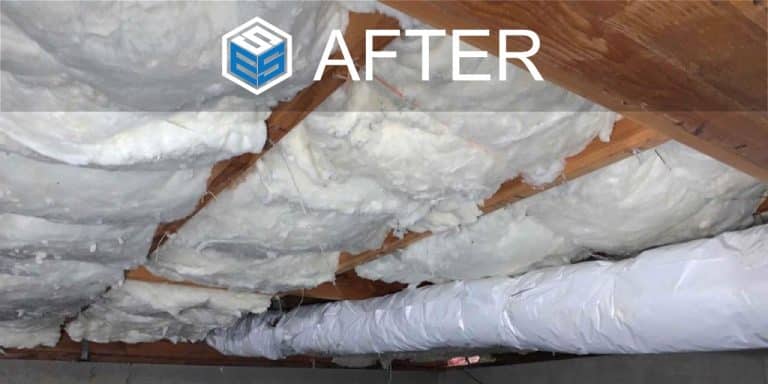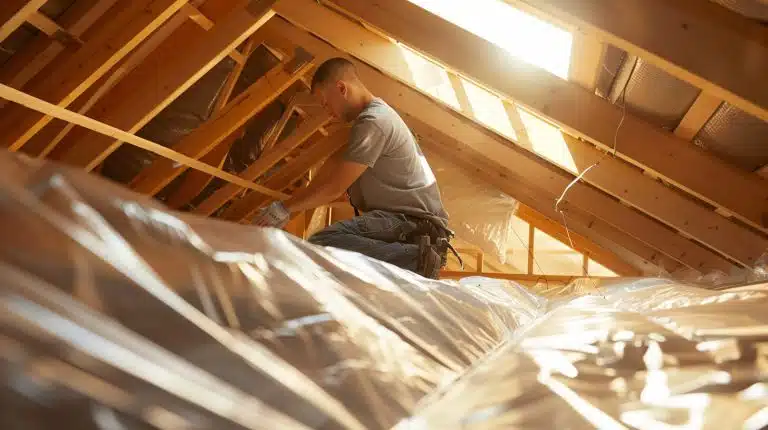

When it comes to home maintenance in the Greater Seattle and Puget Sound region, few things are as crucial as maintaining proper attic insulation. For Pacific Northwest homeowners, ensuring your attic is well-insulated can lead to substantial benefits, from reducing energy bills to improving indoor air quality and preventing structural damage. This article delves into how investing in attic insulation can transform your home’s efficiency, using insights from a case study shared in a recent video.
Why Attic Insulation Matters in the Pacific Northwest
In a region known for its damp and moderate climate, poorly insulated attics can lead to a host of issues. Heat loss, moisture buildup, and even ice dam formation are just some of the problems homeowners face without adequate insulation. As seen in the video case study, insulation plays an essential role in regulating heat transfer, helping to ensure your home stays warm in winter and cool in summer.
The video highlighted a stark comparison between homes built in the 1970s with outdated insulation and a modern upgrade using cellulose insulation. The results were night and day, with significant reductions in energy loss and visible improvements in snow retention on the roof – preventing harmful icicle formation.
sbb-itb-8db64ac
Key Signs Your Attic Needs Better Insulation
Here are some telltale signs that your attic might be under-insulated:
- Excessive Icicle Formation: If you notice large icicles hanging from your roofline during cold weather, this could signal heat escaping from your attic, causing snow to melt and refreeze.
- Cold or Uneven Indoor Temperatures: Rooms that are consistently drafty, even when your heating system is running, may point to poor insulation.
- High Energy Bills: Rising costs for heating or cooling are often linked to poor insulation that allows conditioned air to escape.
- Visible Gaps in Attic Insulation: If you can see areas in your attic where insulation is sparse or uneven, it’s time for an upgrade.
The Benefits of Upgrading Attic Insulation
The homeowner in the video upgraded their attic insulation from the minimal R-value typical of 1970s construction to a modern R-55 using cellulose insulation. Here’s how that investment paid off:
1. Reduced Energy Costs
By preventing heat from escaping, the homeowner saw reduced heating bills during winter. Upgrading attic insulation ensures your HVAC system doesn’t have to work overtime, leading to significant long-term savings.
2. Improved Home Comfort
Proper insulation creates a more stable indoor temperature, eliminating cold spots and drafts. Families can enjoy a cozier and healthier living environment, especially during the colder months.
3. Prevention of Ice Dams
The video explained how heat escaping through the attic can melt snow on the roof, which refreezes near the edges, forming dangerous ice dams. Proper insulation minimizes this risk, protecting your roof and gutters from damage.
4. Enhanced Structural Integrity
Reducing moisture buildup in the attic helps prevent mold growth and wood rot, preserving the long-term structural health of your home.
5. Increased Soundproofing
Cellulose insulation also has the added benefit of reducing noise from outside, making your home quieter and more serene.
Choosing the Right Insulation for Your Home
The video featured cellulose insulation as a top choice for attic upgrades – and for good reason. Here’s why cellulose stands out:
- Higher R-Value: Cellulose offers a higher insulation value (R 3.2–3.8 per inch) compared to fiberglass (R 2.2–2.7 per inch). A higher R-value means better thermal resistance and energy efficiency.
- Eco-Friendly Material: Made primarily from recycled newspaper, cellulose is a sustainable and environmentally friendly option.
- Better Coverage: Cellulose is dense and evenly fills gaps in the attic, reducing the potential for air leaks.
- Fire and Pest Resistance: Treated with non-toxic chemicals, cellulose is resistant to fire, mold, and pests.
Additionally, it is perfectly safe to install cellulose over existing fiberglass insulation, as was done in the video example. This layering approach can maximize insulation without requiring a total removal of existing material.
Importance of Ventilation in the Attic
Insulation alone isn’t enough; proper ventilation is critical for maintaining attic health. The homeowner in the video highlighted the importance of ridge vents and soffit vents in ensuring consistent airflow. Ventilation helps prevent:
- Moisture buildup, which can lead to mold and mildew.
- Overheating in summer, reducing cooling costs.
- Ice dams caused by uneven temperature distribution in winter.
Installing ridge vents and doubling up on soffit vents can complement your insulation efforts and protect your attic’s overall condition.
Practical Steps for Upgrading Your Attic Insulation
- Assess Your Existing Insulation
Measure the depth and quality of your current insulation. As demonstrated in the video, older homes often have insufficient insulation far below modern building codes. - Choose the Right Material
Consider cellulose for its higher R-value, environmental benefits, and soundproofing properties. - Hire Experienced Professionals
While some homeowners opt for DIY solutions, hiring licensed insulation contractors ensures the job is done correctly and efficiently. Professionals can also assess your attic’s ventilation needs. - Monitor the Results
After upgrading, track changes in your energy bills and observe your roof during the next snowfall to see the difference in snow retention and reduced icicle formation.
Key Takeaways
- Insulation Matters: A well-insulated attic reduces energy loss, improves home comfort, and protects your property from structural issues.
- Cellulose is a Top Choice: It outperforms fiberglass in R-value, soundproofing, and eco-friendliness.
- Ventilation Complements Insulation: Ridge and soffit vents prevent moisture buildup and ensure attic health.
- Professional Installation is Key: Licensed contractors can ensure your insulation meets local building codes and performs optimally.
- Savings Are Real: Upgrading insulation can significantly lower your heating and cooling costs over time.
Final Thoughts
In the Pacific Northwest, where cold winters and damp conditions are common, ensuring your attic is properly insulated is one of the smartest investments you can make as a homeowner. As seen in the video case study, addressing outdated insulation with modern materials like cellulose can lead to immediate and long-term benefits, from energy savings to structural protection.
By taking a proactive approach to attic insulation and ventilation, you’re not only improving your home’s energy efficiency but also creating a healthier, safer, and more comfortable environment for your family.
Source: "Ultimate Guide to Adding More Attic Insulation – Does it work & save Money? Worth it?" – The More You Bear, YouTube, Feb 23, 2025 – https://www.youtube.com/watch?v=ewOvY7P13pw
Related Blog Posts
- Attic Insulation R-Value Calculator
- Insulation Cost Estimator
- Best Practices for Attic Air Sealing
- Attic Air Sealing: Step-by-Step Guide