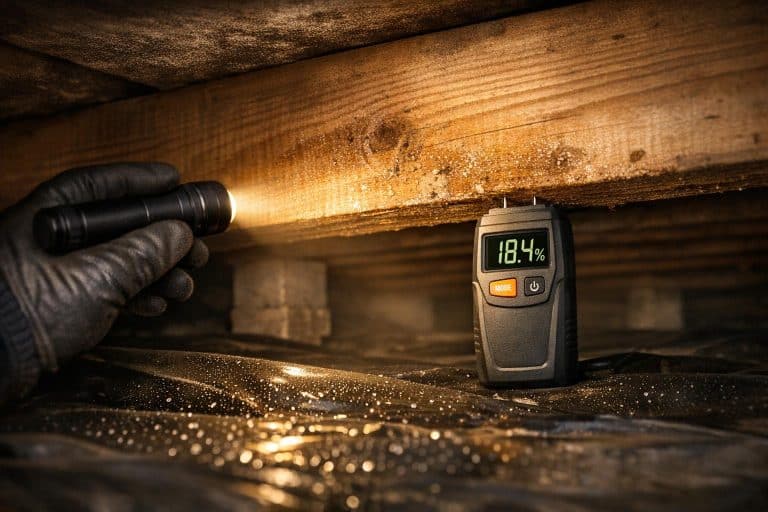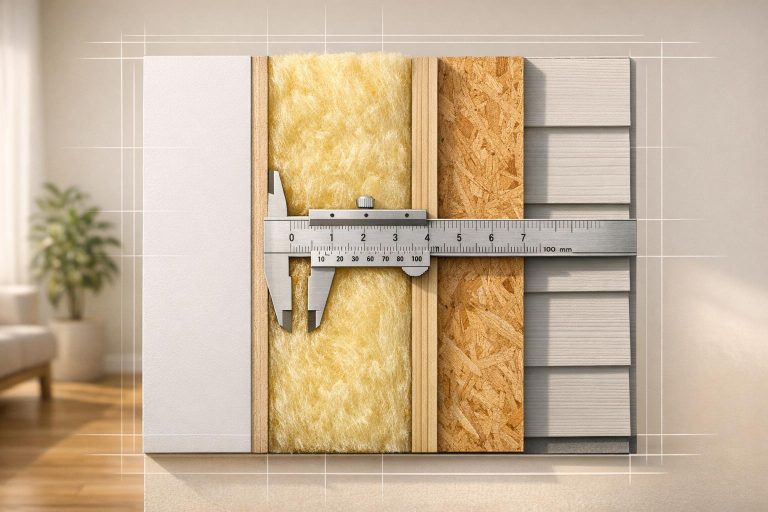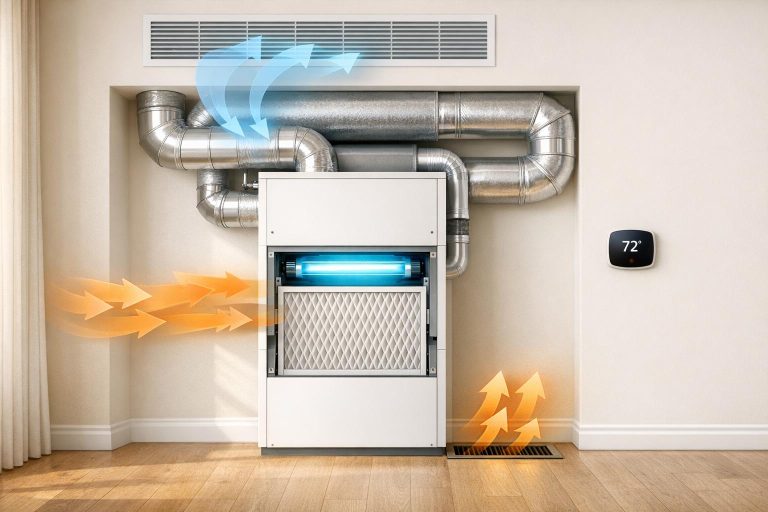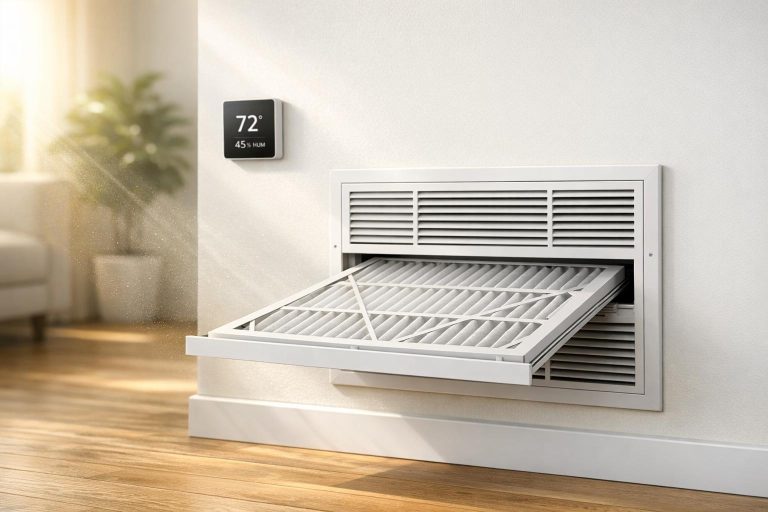

Preventing mold starts with choosing the right insulation. Mold thrives in damp, humid environments, but proper insulation can block moisture, control humidity, and keep surfaces above the dew point to stop mold growth before it starts. Here’s what you need to know:
- Closed-cell spray foam: Best for high-moisture areas like basements and crawl spaces. It’s waterproof, mold-resistant, and doubles as a vapor barrier.
- Rigid foam board: Ideal for foundation walls and exterior sheathing. It’s highly resistant to water and prevents condensation.
- Mineral wool: Naturally mold-resistant and hydrophobic, making it a solid choice for walls and soundproofing.
- Fiberglass: Mold-resistant but requires proper air sealing. Avoid paper-backed versions in damp areas.
- Cellulose: Budget-friendly but risky in wet conditions due to its organic composition.
Quick tip: Mold remediation can cost $1,500–$30,000, while preventive insulation is 10%–20% of that cost. Investing in the right insulation now saves money and hassle later.
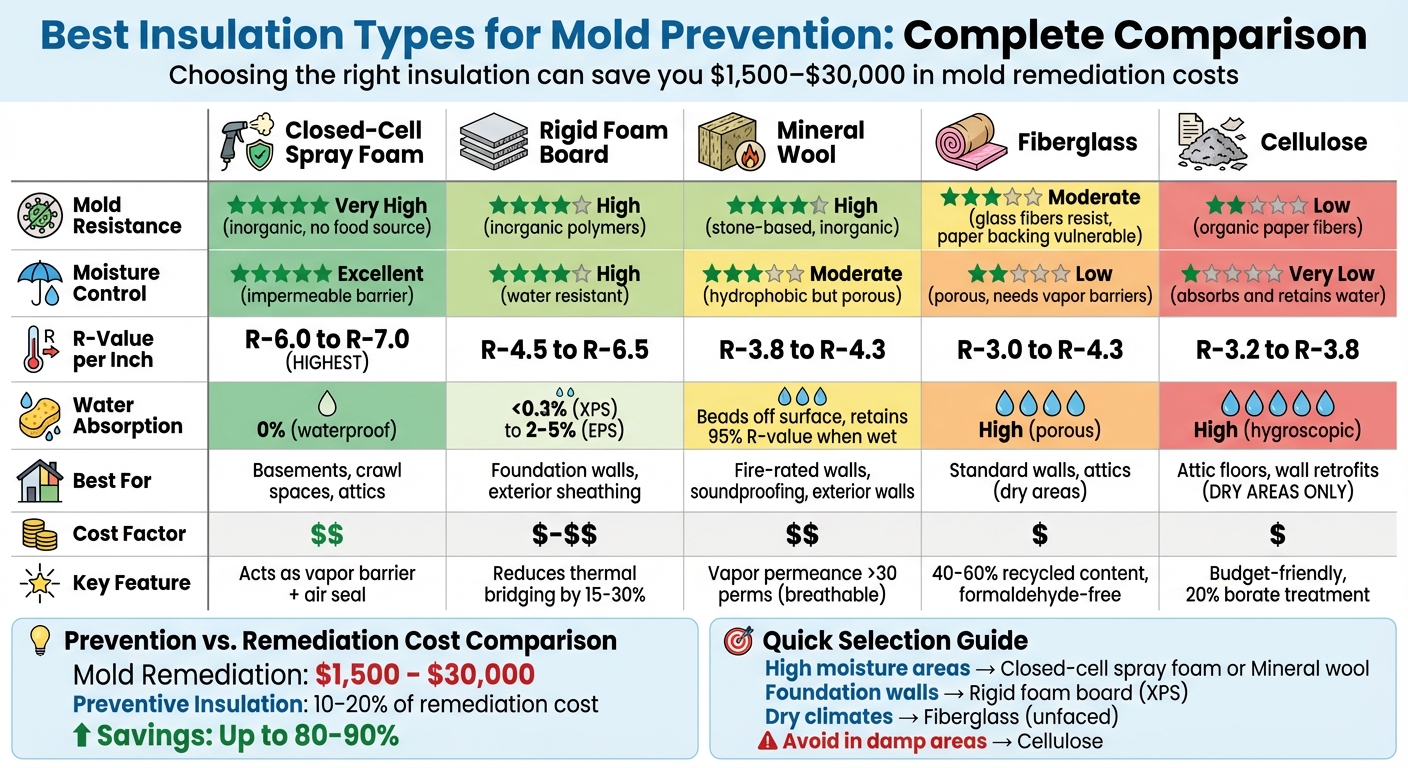
Insulation Types Comparison for Mold Prevention: R-Values, Moisture Control, and Best Applications
1. Closed-Cell Spray Foam Insulation
Mold Resistance
Closed-cell spray foam is inorganic, meaning it doesn’t provide a food source for mold spores. Unlike organic insulation materials, it actively prevents mold growth by eliminating the conditions mold needs to thrive. Its dense, impermeable structure blocks moisture from settling inside wall cavities or on cold surfaces – common spots where mold tends to grow. This built-in mold resistance pairs seamlessly with its moisture control capabilities.
Moisture Control
When it comes to managing moisture, closed-cell spray foam stands out thanks to its ability to form a continuous, seamless barrier. This barrier effectively blocks water infiltration and prevents moisture absorption, which are both critical in reducing the risk of mold. Applied at a minimum thickness of 1.5 inches, it also serves as a vapor barrier without requiring additional layers. This makes it particularly useful in areas like crawl spaces, where ground moisture can rise, and basements, where humid air often meets cold concrete walls.
"Closed-cell spray foam doesn’t just insulate; it acts as a moisture barrier, vapor barrier, and air seal, making it the ultimate defense against mold." – Daniel Demir, Author
R-Value per Inch
Boasting an R-value between 6.0 and 7.0 per inch, closed-cell spray foam offers top-tier thermal resistance. This high performance keeps interior surfaces above the dew point, stopping condensation before it can lead to mold growth. Plus, it provides superior insulation with less material compared to fiberglass or open-cell foam.
Installation Suitability
Closed-cell spray foam is ideal for moisture-prone areas like attics vulnerable to "attic rain", below-grade basements, and poorly ventilated crawl spaces. During application, the material expands 25–35 times its liquid volume, sealing gaps and cracks that might otherwise let in humid air. While professional installation ensures the best results, DIY kits are available for smaller projects. Just make sure surfaces are clean and dry to achieve proper adhesion.
sbb-itb-8db64ac
2. Rigid Foam Board Insulation
Mold Resistance
Rigid foam boards, made from materials like EPS, XPS, and Polyiso, are naturally resistant to mold because they are composed of inorganic polymers that don’t provide a food source for mold growth. These boards also create a continuous insulation layer that reduces thermal bridging and cold spots – key contributors to condensation and mold formation. By helping maintain stable surface temperatures, rigid foam boards effectively reduce the conditions that allow mold to thrive.
Moisture Control
Some types of rigid foam, like XPS and foil-faced Polyiso, double as vapor retarders, limiting the movement of moisture through walls. For instance, XPS absorbs less than 0.3% of water by volume, making it nearly impervious to water, while EPS absorbs slightly more, between 2.0% and 5.0%. Foil-faced Polyiso offers even greater protection with a vapor permeance of less than 0.05 perms. To maximize performance, all seams should be sealed with the recommended tape, such as 3M All Weather or Siga Wigluv, to prevent humid air from reaching cold surfaces and condensing.
"A continuous insulation layer with untaped seams is neither continuous nor an air barrier." – InsulationRValues.com
R-Value per Inch
Rigid foam insulation delivers better thermal resistance per inch compared to traditional options like fiberglass (R-3.0–3.7) or cellulose (R-3.2–3.8). Among rigid foams, Polyiso leads with an R-value of about 5.6 to 6.5 per inch, followed by XPS at 4.5 to 5.0, and EPS at 3.6 to 4.4. Adding just 1–2 inches of rigid foam over wall sheathing can improve R-values by 15%–30% by reducing thermal bridging. However, it’s worth noting that Polyiso’s performance may drop in colder climates (zones 5–8), where its R-value can decrease by up to 46% at 0°F. In such cases, it should be calculated at approximately 5.0 per inch.
Installation Suitability
Different types of rigid foam are better suited for specific applications. For below-grade uses like foundation walls or under-slab insulation, XPS is a great choice due to its moisture resistance and compressive strength. Polyiso works well for above-grade walls and roofs in warmer climates, while EPS is a cost-effective option for projects like structural insulated panels. Keep in mind that all rigid foam boards must be covered with a 15-minute thermal barrier, such as 0.5-inch drywall, in occupied spaces to meet fire safety codes.
Material costs for 1-inch rigid foam boards range from $0.35 to $1.50 per square foot, with professional installation adding another $0.50 to $1.50 per square foot. These features make rigid foam boards a solid choice for insulation, especially when mold prevention is a priority.
3. Cellulose Insulation
Mold Resistance
Cellulose insulation is made up of 80%–85% recycled paper fibers, which means it’s organic and can potentially feed mold if conditions allow. To counter this, manufacturers add borates – making up about 20% of the insulation’s weight – which act as EPA-registered fungicides to deter mold growth. However, prolonged exposure to moisture can wash away these protective chemicals. When that happens, the untreated fibers may become a breeding ground for mold. Because of this, it’s best to avoid using cellulose insulation in areas prone to constant water exposure.
Moisture Control
One of cellulose insulation’s standout features is its ability to handle moisture effectively. Its hygroscopic nature lets it absorb and redistribute moisture, helping to prevent localized pooling.
"Cellulose acts as a moisture buffer in wall assemblies, absorbing excess humidity during damp periods and releasing it when conditions dry out." – InsulationRValues.com
When installed as dense-pack cellulose, it also reduces air leakage by 30%–40%, which enhances its ability to manage moisture and reduces the risk of condensation. However, if the material becomes completely saturated due to significant water leaks, it loses its insulating (R-value) properties, begins to sag, and may eventually support mold growth once its moisture-buffering capacity is overwhelmed.
R-Value per Inch
Cellulose insulation doesn’t just manage moisture – it also offers solid thermal performance. Its R-value ranges from 3.2 to 3.8 per inch, which is better than blown-in fiberglass (R-2.2 to 2.7) but falls short of closed-cell spray foam (R-5.6 to 8.0). Dense-pack cellulose achieves an R-value of 3.5–3.8 per inch, with minimal settling of only 2%–5%. On the other hand, loose-fill cellulose used in attics settles more significantly – around 20% over the first 2 to 3 years. To account for this, installers typically overfill by 20% to 25% to ensure the target R-value is maintained. By comparison, fiberglass insulation settles much less, at only 1% to 3%.
Installation Suitability
Dense-pack cellulose is often regarded as the "gold standard" for retrofitting older walls. It can be blown into closed cavities using a drill-and-fill method, providing both insulation and effective air sealing without requiring drywall removal. In attics, loose-fill cellulose is a cost-effective option, ranging from $0.60–$2.30 per square foot. For dense-pack wall installations, the cost is slightly higher, at $1.50–$3.00 per square foot. This makes cellulose a versatile choice for retrofitting, especially when applied over surfaces that are properly sealed.
However, cellulose insulation isn’t suitable for every situation. Avoid using it in crawl spaces or below-grade basements where persistent moisture is a concern. For attic installations, it’s crucial to air-seal the attic floor beforehand to prevent warm, moist air from condensing within the insulation. Additionally, if cellulose is being installed over existing fiberglass insulation with a kraft vapor retarder, slashing the vapor barrier can help moisture escape, reducing the chances of it becoming trapped.
4. Mineral Wool Insulation (ROCKWOOL)

Mold Resistance
Mineral wool stands out for its resistance to mold, thanks to its inorganic makeup derived from basalt rock and recycled steel slag. Since it lacks organic material, it provides no sustenance for mold, mildew, or bacteria to thrive. Its stone-based composition makes it an inhospitable environment for biological growth.
"Because it is made of stone, an inorganic material, it does not act as a food source for spores or mold. As such, stone wool insulation will not contribute to the growth of mold, mildew, bacteria or rot." – ROCKWOOL
ROCKWOOL products undergo rigorous testing under ASTM C1338 standards ("Standard Test for Determining Fungi Resistance") and consistently show no fungal growth. This makes mineral wool a solid choice for areas prone to moisture.
Moisture Control
One of mineral wool’s standout features is its ability to handle moisture effectively. Its hydrophobic properties cause water to bead up and roll off, allowing it to dry quickly without compromising its R-value.
With a vapor permeance rating exceeding 30 perms, mineral wool allows moisture vapor to move freely in both directions. This prevents condensation from being trapped in wall assemblies, a key factor in avoiding mold. For instance, custom builder Doug Tarry in St. Thomas, Ontario, used ROCKWOOL stone wool insulation in a "Better Basement Wall" design. This approach allowed seasonal drying in poured concrete basements, eliminating conditions conducive to mold growth.
R-Value per Inch
Mineral wool offers an R-value ranging from 3.8 to 4.3 per inch, outperforming standard fiberglass insulation (R-3.0 to R-3.7 per inch) by 10% to 21% in the same cavity depths. For example, in a typical 2×6 wall cavity (about 5.5 inches deep), mineral wool achieves R-23, compared to fiberglass’s R-19 – a 21% improvement. It also retains its thermal performance across varying temperatures and continues to insulate effectively even when exposed to moisture, making it a versatile option for residential use.
Installation Suitability
Mineral wool’s density and rigidity make it easy to install. It fits snugly into wall cavities without requiring staples or fasteners. Installers typically cut the batts slightly wider (about ¼ inch) than the cavity to ensure a secure fit. Its dimensional stability ensures it won’t slump, sag, or shrink over time, preventing gaps that could lead to air leakage or moisture issues.
The cost of installing mineral wool ranges from $1.00 to $2.10 per square foot, which is about 40% to 70% higher than fiberglass. However, this price reflects its superior moisture resistance and mold prevention properties. For exterior thermal insulation, the "Comfortbatt" product is recommended, as "Safe’n’Sound" is designed for interior acoustic use and does not have an official R-value rating.
5. Fiberglass Insulation
Mold Resistance
Fiberglass insulation is made from inorganic glass fibers, which means it doesn’t provide a food source for mold growth. However, there’s a catch: paper-backed fiberglass batts (also known as kraft-faced insulation) can become a problem if they get wet. Michael Andrew and Malou Hughes from Insulation Outlook Magazine explain:
"If fiberglass insulation with the paper backing becomes wet, mold will grow on the paper, eliminating the whole advantage of selecting a non-biodegradable based insulation."
Additionally, mold can form on the surface of fiberglass if organic debris, like dust, accumulates. This issue is especially relevant in HVAC systems, where duct liners may collect airborne particles and face condensation. So, in areas prone to moisture, unfaced fiberglass insulation is usually the safer option to avoid mold risks.
Moisture Control
Fiberglass is porous, allowing water vapor to pass through it freely. This means it doesn’t act as a vapor barrier on its own. To manage moisture effectively, fiberglass needs to be paired with proper air sealing and vapor barriers. Keeping indoor humidity levels between 30% and 50% is also key to preventing condensation and mold. Tools like bathroom exhaust fans and prompt repair of leaks further enhance moisture control. When installed correctly, fiberglass insulation can help maintain interior surfaces above the dew point, reducing the risk of condensation-related issues.
R-Value per Inch
Fiberglass insulation offers a moderate R-value per inch – not as high as closed-cell spray foam or mineral wool, but still effective when installed properly. While its insulating power is lower compared to these alternatives, proper installation is critical. Ensuring there are no gaps or compressed areas can minimize cold spots, which in turn helps prevent condensation and mold growth.
Installation Suitability
Fiberglass insulation is highly adaptable and works well in a variety of spaces, including sidewalls, attics, floors, crawl spaces, and basements. It comes in several forms – batts, rolls, or loose-fill – making it flexible for different installation needs. Its quality can also be visually inspected during installation to ensure there are no gaps or compressions. Beyond its performance, fiberglass insulation has some eco-friendly perks: it often contains 40%–60% recycled content, is non-combustible, and the majority of residential products (90%) are now formaldehyde-free.
Which Insulation Is Best for Your Home? Top 5 Compared
Comparison Table
Here’s a detailed look at different insulation types and how they perform in preventing mold:
| Insulation Type | Mold Resistance | Moisture Control | R-Value Per Inch | Best Installation Locations |
|---|---|---|---|---|
| Closed-Cell Spray Foam | Very High; does not support mold growth | Excellent; acts as an impermeable moisture/vapor barrier | R-6.0 to R-7.0 | Basements, crawl spaces, and attics |
| Rigid Foam Board | High; not a food source for mold | High; provides water resistance and excellent thermal performance | R-4.5 to R-6.5 | Exterior/interior wall sheathing, foundation walls, and attic hatches |
| Mineral Wool | High; inorganic and naturally resistant | Moderate; hydrophobic but porous | R-3.8 to R-4.3 | Fire-rated walls, soundproofing, and exterior walls |
| Fiberglass | Moderate; glass fibers resist mold, but paper backing may grow mold if wet | Low; porous and can trap moisture | R-3.0 to R-4.3 | Standard stud walls and attics |
| Cellulose | Low; organic paper fibers serve as a mold food source | Very Low; absorbs and retains water | R-3.2 to R-3.8 | Attic floors and enclosed wall retrofits (dry areas only) |
Each insulation type has its strengths and weaknesses when it comes to mold prevention.
- Closed-cell spray foam stands out for its superior mold resistance and moisture control, making it ideal for areas prone to dampness like basements or crawl spaces.
- Rigid foam board offers excellent thermal performance and moisture resistance, particularly useful for foundation walls and exterior sheathing.
- Mineral wool and fiberglass are mold-resistant by nature, but both need proper air sealing and vapor barriers to avoid moisture buildup.
- Cellulose, on the other hand, is best suited for dry environments due to its organic composition, which can encourage mold growth in damp conditions.
For areas where condensation is a concern, focus on insulation with high R-values and effective moisture control. Keeping indoor humidity levels between 30% and 50% is crucial to inhibit mold growth.
Conclusion
Choosing the right insulation for your home depends heavily on the moisture levels and climate in your area. For spaces prone to high humidity, like basements and crawl spaces, closed-cell spray foam is a standout option. Its waterproof nature and built-in vapor barrier make it an excellent choice for these environments. Another solid option is mineral wool, which not only resists water naturally but also retains 95% of its R-value even when exposed to moisture. In drier climates, fiberglass performs effectively, though cellulose should be avoided in damp areas since its organic fibers can promote mold growth. Each insulation type has its own strengths, tailored to specific moisture conditions, as outlined earlier.
The financial benefits of mold-resistant insulation go beyond just performance.
"Preventing mold is significantly cheaper than remediating it, with prevention costs typically 10% to 20% of what remediation would cost." – MoldLedger
Mold remediation can be expensive, ranging from $1,500 to $30,000. In contrast, installing proper insulation costs only a fraction of that. Additionally, placing vapor barriers correctly according to your climate is crucial.
If you’re dealing with persistent moisture issues or complex insulation needs, consulting professionals is a smart move. Envirosmart Solution offers full-service insulation installation and mold remediation throughout the Pacific Northwest. Their team specializes in precise vapor barrier placement, climate-specific advice, and helping homeowners access government rebates and incentives for energy-efficient upgrades. With their expertise, you can ensure your insulation strategy is effective and cost-efficient.
When done right, insulation creates a dry, temperature-controlled environment that naturally discourages mold growth. To maintain these conditions, pair your insulation efforts with regular maintenance, such as quarterly ventilation checks and bi-annual plumbing inspections.
FAQs
Do I need a vapor barrier with my insulation?
Yes, in many parts of the U.S., using a vapor barrier or vapor retarder is key to managing moisture when installing insulation. It helps limit moisture accumulation, reducing the risk of mold growth. This not only safeguards your home but can also improve indoor air quality. Be sure to factor in your local climate and follow building codes when deciding on moisture control methods.
Which insulation is safest for basements and crawl spaces?
Closed-cell spray foam is the safest choice for insulating basements and crawl spaces. It doubles as a moisture barrier, significantly lowering the chances of mold forming on damp surfaces, such as concrete. This insulation is especially effective at tackling moisture problems that are typical in these areas.
What else should I do to prevent mold besides insulating?
Controlling moisture and humidity is just as important as insulating when it comes to maintaining a healthy home. Start by addressing leaks as soon as they appear – ignoring them can lead to bigger problems like mold. Proper ventilation is another key factor. Make sure areas like bathrooms, kitchens, and basements have adequate airflow to prevent dampness from settling in. Lastly, opt for materials designed to resist moisture, as they can help keep mold at bay and contribute to a cleaner, healthier living space.