
Proper HVAC maintenance saves money, improves comfort, and ensures safety. Nearly half of your home’s energy use comes from HVAC systems, but only 47% of homeowners service them annually. Neglecting maintenance can lead to higher energy bills, poor air quality, and costly repairs or replacements. Regular care can:
- Cut energy bills by up to 30%.
- Extend equipment life by 5–8 years.
- Reduce breakdown risks by 95%.
- Maintain warranties and boost home resale value.
Simple DIY tasks like replacing filters every 1–3 months, cleaning vents, and sealing ducts can improve efficiency. Professional inspections, costing around $300 annually, prevent major issues and keep systems running efficiently. Investing in annual plans like SMART GOLD™ ($699) covers comprehensive care, offering long-term savings and peace of mind.
Key takeaway: Routine maintenance is essential for a safe, efficient, and long-lasting HVAC system.

HVAC Maintenance Benefits: Cost Savings and Energy Efficiency Statistics
🧰 Complete HVAC System Maintenance | Step by Step Guide for Homeowners & Technicians
sbb-itb-8db64ac
Benefits of Regular HVAC Maintenance
Taking care of your HVAC system offers three key perks: lower energy bills, healthier indoor air, and a longer lifespan for your equipment. Routine upkeep not only saves you money but also ensures a more comfortable and safe home environment. Let’s break these benefits down.
Lower Energy Bills
Did you know that a properly maintained HVAC system can use up to 15% less energy compared to one that’s neglected? Dust and debris on coils and motors force the system to work harder, which can hike your energy costs by 10% to 25%, adding an extra $240 to $600 to your annual bills.
Professional servicing can make a big difference. For example, cleaning your system can reduce fan and blower energy use by 41% to 60%. Sealing and insulating ductwork can further boost efficiency by as much as 20%. For those in the Pacific Northwest, where summers can be scorching and winters damp and chilly, these efficiency improvements mean consistent savings all year long.
Better Indoor Air Quality
Your HVAC system does more than regulate temperature – it circulates air throughout your home. If filters are clogged or ducts are dirty, things like allergens, pollen, pet dander, and pollutants get recirculated every time the system runs. Replacing filters every 1 to 3 months can significantly reduce these contaminants.
"Properly maintaining your HVAC or central air system and upgrading your HVAC filters can improve your home’s air quality." – American Lung Association
Other maintenance tasks, such as cleaning evaporator and condenser coils, clearing condensate drain lines, and sealing ductwork, also play a role in improving air quality. Clogged drain lines can lead to mold growth, while leaky ducts might pull in outdoor pollutants. For those in wildfire-prone areas like the Pacific Northwest, keeping filtration systems clean and functional is especially important during wildfire season.
Longer Equipment Life
A well-cared-for HVAC system can last 15 to 20 years, while neglecting maintenance could mean replacing it in as little as 10 years. This difference – 5 to 8 additional years – can save you thousands, considering that a new HVAC system typically costs between $7,500 and $12,500.
Routine maintenance helps catch small issues early, such as lubricating parts, tightening connections, and cleaning coils to reduce wear and tear on the compressor . These simple steps can prevent major breakdowns that might require a full system replacement. Plus, annual maintenance is often required by manufacturers to keep warranties valid – skipping it could leave you paying out of pocket for costly repairs .
"Regular maintenance keeps your system operating efficiently and safely. A solid maintenance record is also valuable when buying or selling a home, as systems with documented maintenance tend to pass inspections more easily than those without." – Jim Snyder, Owner, Irish Air Now
HVAC Maintenance Tasks You Can Do Yourself
You don’t have to be an HVAC expert to keep your system running smoothly. A few simple steps can improve efficiency and air quality, and the best part? You can handle them yourself. Here’s how.
Replace or Clean Air Filters Every 1-3 Months
Start by turning off your HVAC system at the thermostat, breaker, or indoor shutoff before working on the filter. Once it’s off, locate the filter – usually found near the return air duct or inside the blower compartment.
To check if the filter needs replacing, hold it up to a light. If light passes through, you can clean it. If not, it’s time to replace it. Installing a new filter is simple – just ensure the airflow arrows printed on the frame are pointing toward the blower motor.
"Air filters keep dust and particles from getting into your ductwork and HVAC. If they are covered in dust, the air will filter through your furnace much slower, making your system more inefficient." – Glenn Wisemen, Sales Manager, Top Hat Home Comfort Services
How often should you replace your filter? That depends on your household:
- No pets: every 90 days
- With pets: every 60 days
- Allergies or asthma in the household: every 30 to 45 days
- Fiberglass filters: every 30 days, no exceptions
Replacing a dirty filter can improve your system’s efficiency by 5% to 15%. Also, pay attention to the MERV rating (Minimum Efficiency Reporting Value). Ratings range from 1 to 16, with higher numbers capturing smaller particles like allergens and bacteria. However, higher-rated filters can restrict airflow if your system isn’t designed for them. For most homes, a MERV rating of 8 to 11 offers a good balance.
Don’t forget to clean vents and outdoor units regularly to maintain peak performance.
Clean Vents, Registers, and Outdoor Units
Indoor vents and registers can collect dust and grime, so vacuum or wipe them down with a damp cloth. For a deeper clean, remove the grill plates, brush out the duct interiors, and wipe them with a microfiber cloth.
Your outdoor condenser unit also needs attention. Clear away leaves, grass clippings, dirt, and weeds from around the unit. Keep at least a 2-foot clearance on all sides to ensure proper airflow. Rinse the condenser coils with a garden hose once or twice a year to remove buildup – just avoid high-pressure settings, which can damage the fins.
Inside your home, make sure vents aren’t blocked by furniture, curtains, or storage boxes. Even partial obstructions can make your system work harder and waste energy.
Check and Seal Ductwork
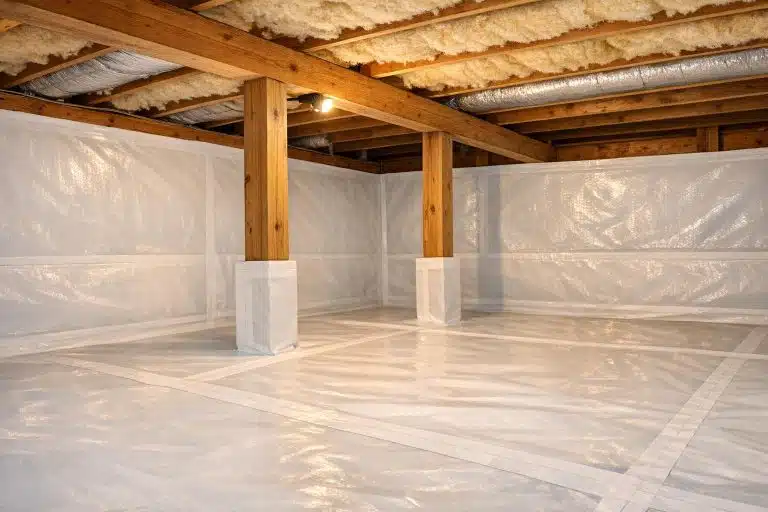
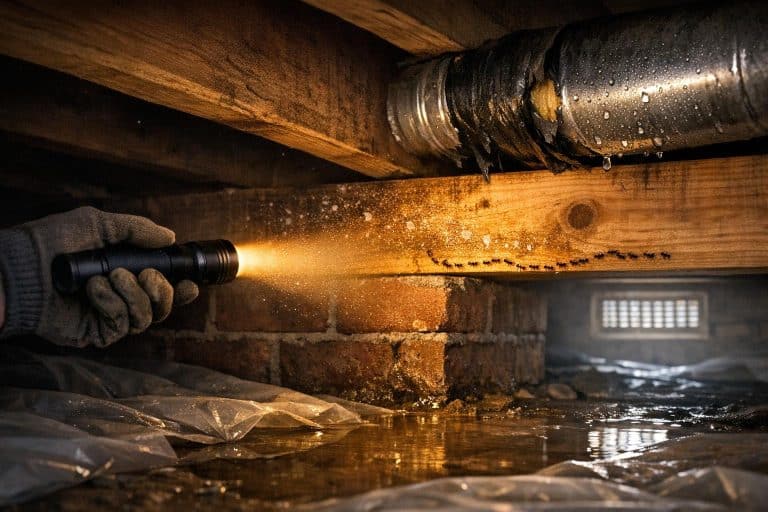
Leaky ducts are a common source of energy loss. In fact, up to 30% of the air moving through your ducts can escape through leaks, holes, or loose connections. Focus on inspecting exposed ductwork in attics, crawl spaces, basements, or garages.
Look for tangled, disconnected, or visibly damaged ducts, as well as any gaps or holes. You might also notice uneven temperatures in your home, stuffy air, or higher utility bills – these are all signs of duct issues.
Seal leaks with mastic or metal-backed foil tape – avoid using standard duct tape, as it won’t hold up over time. Apply the sealant or tape to gaps or joints in accessible areas. Properly sealed ducts can significantly improve your system’s efficiency.
If your ducts are hidden behind walls or need extensive cleaning, consider scheduling a professional service like SMART DUCTS™. For $199 annually, this service includes deep cleaning, camera inspections, disinfectant treatments, filter maintenance, and priority scheduling to keep your ducts in great shape year-round.
Seasonal Maintenance and When to Call a Professional
Keeping your HVAC system in top shape means tailoring maintenance tasks to the seasons. In spring, clear debris around the outdoor unit. During the summer, set your thermostat to 78°F and flush the condensate drain lines to keep things running smoothly. In fall, inspect weather stripping and test carbon monoxide detectors. And in winter, lower the thermostat to 68°F and ensure the furnace flame burns a steady blue. These seasonal adjustments, along with regular tasks like thermostat checks and drain line cleaning, can help maintain your system’s performance.
Test and Adjust Your Thermostat
As the seasons change, checking your thermostat is a must. Before each new season, verify that it’s working correctly. If the display is blank or the temperature readings seem inaccurate, start by replacing the batteries. Persistent issues could point to faulty sensors or wiring, which should be handled by a professional. A properly calibrated thermostat not only ensures comfort but also helps you avoid unnecessary energy costs.
Clean Condensate Drain Lines
To prevent clogs and algae buildup, clean your condensate drain every three months. Mix 1 cup of bleach with 3 cups of water, pour it into the drain, let it sit for 30 minutes, and then rinse thoroughly. This quick and simple step can help you avoid water damage or a system shutdown.
Schedule Annual Professional Inspections
While regular DIY maintenance covers the basics, some tasks require professional expertise. Annual inspections can address complex issues like refrigerant levels, electrical connections, deep coil cleaning, and heat exchanger checks. Skipping these check-ups could void your warranty and lead to costly breakdowns. To stay ahead of problems, schedule cooling system inspections in the spring and heating system check-ups in the fall. This timing not only avoids peak-season delays but also reduces the risk of emergency repairs.
"Maintenance is required to maintain a manufacturer warranty. It’s in everybody’s policy. So that’s probably the No. 1 thing." – Chris Morin, Regional Sales Manager, Mitsubishi Electric Trane HVAC US
For year-round peace of mind, consider investing in the SMART GOLD™ annual maintenance package for $699. This all-in-one plan includes furnace care, duct cleaning, inspections of your attic and crawl spaces, and dryer vent service. Plus, you’ll get a 20% discount on any additional repairs or services. It’s a comprehensive way to keep your system running efficiently while protecting your investment.
Conclusion
Keeping your HVAC system in top shape doesn’t have to be complicated. Simple tasks like changing filters every 1–3 months, clearing debris from outdoor units, and cleaning condensate drains can go a long way in improving efficiency, cutting energy costs, and enhancing the air you breathe indoors.
But don’t stop there – professional maintenance is just as important. Spending around $300 for a professional tune-up is a smart move when you compare it to the hefty price tag of $7,500 to $12,500 for a full system replacement if it breaks down prematurely. Experts also point out that regular maintenance helps protect warranties, prevents expensive repairs, and even adds appeal if you’re planning to sell your home.
For all-around protection, consider Envirosmart Solution’s SMART GOLD™ package. At $699 annually, it covers furnace care, duct cleaning, attic and crawl space inspections, and dryer vent service. Plus, you’ll get a 20% discount on additional repairs – a comprehensive plan to keep your home comfortable and your HVAC system in excellent condition.
Stick to the basics, stay consistent with seasonal upkeep, and schedule those professional checkups. By combining DIY care with expert servicing, you’ll protect your investment, enjoy better air quality, and keep your home cozy for years to come.
FAQs
How often should I have my HVAC system professionally serviced?
To keep your HVAC system operating smoothly and dependably, make it a point to schedule professional maintenance annually. The best approach? Book a spring tune-up for your air conditioner and a fall check-up for your furnace. These regular check-ups not only help you avoid expensive repairs but also boost energy efficiency and keep your home comfortable through every season.
What are the warning signs that my HVAC system needs immediate repair?
If your HVAC system is acting up, it’s a clear sign to bring in a professional. Here are some common warning signs to watch for:
- No heating or cooling: When the system runs but doesn’t adjust the air temperature, it could mean key components like the compressor or furnace burners are malfunctioning.
- Strange noises or vibrations: Sounds like rattling, squealing, or grinding might indicate loose parts, motor trouble, or issues with the blower – problems that can worsen if ignored.
- Water leaks or excessive moisture: Puddles near your indoor unit or ongoing drainage problems can lead to water damage or even mold growth.
- Unpleasant or burning odors: A musty smell might mean mold in the ducts, while sharp, burning odors could signal electrical problems or refrigerant leaks.
- Spiking energy bills or short-cycling: A sudden jump in your utility costs or a system that frequently turns on and off might suggest inefficiencies caused by clogged filters, low refrigerant levels, or malfunctioning controls.
Tackling these issues promptly helps avoid expensive repairs, maintains good air quality, and keeps your home comfortable throughout the year.
Does regular HVAC maintenance help improve indoor air quality?
Keeping up with regular HVAC maintenance is essential for better indoor air quality. Simple tasks like swapping out air filters, cleaning system components, and checking ductwork can help clear out dust, allergens, and pollutants from the air in your home.
A clean, well-maintained system not only cuts down on airborne irritants but also makes your living space healthier and more comfortable. Plus, when your HVAC system is running efficiently, it can lower your energy bills over time, making maintenance a smart investment for both your health and your wallet.