
Mold – a silent but persistent intruder – can wreak havoc on your home, your health, and your wallet if left unchecked. For homeowners in the Greater Seattle and Puget Sound region, where damp climates create ideal growing conditions, understanding the nuances of mold remediation is critical. Mold can compromise indoor air quality, reduce property value, and pose serious health risks. However, tackling it effectively requires more than a simple surface cleanup or guesswork.
In this comprehensive guide, based on expert insights, we explore the key steps – before, during, and after remediation – that can ensure long-term success. By leveraging science, asking the right questions, and taking targeted action, you can resolve mold issues in your home while protecting your family’s health and preserving your property’s value.
Understanding Mold: The Invisible Threat
Mold is often misunderstood. While visible mold on walls or ceilings is alarming, the real danger lies in the spores and toxins you cannot see. To illustrate, 250,000 mold spores can fit on the head of a pin. These microscopic particles infiltrate your home’s air and surfaces, exacerbating respiratory issues, allergies, and other health problems.
Michael Rubino, an indoor air quality expert, emphasizes that identifying the source of mold is like solving a puzzle. Mold often begins in hidden areas – behind walls, in crawl spaces, or in attics – where moisture intrusion occurs. A leak, even one that seems minor, can be the starting point for mold growth, eventually spreading to other parts of your home.
To tackle mold effectively, Rubino highlights a critical point: guesswork is not enough. Without a clear map of the problem, you’re likely to spend money on incomplete solutions that don’t address the root cause.
sbb-itb-8db64ac
Step 1: Pre-Testing – Setting a Baseline
Before swinging a hammer or hiring a contractor, it’s essential to establish a baseline understanding of your home’s mold levels. This is where pre-testing comes in.
The Role of Dust Testing
Rubino recommends starting with a dust test, a tool designed to screen for the presence of 36 different mold species in your home. This step provides valuable data, including:
- The types of mold present
- Locations of particularly high mold concentrations
- Clues about potential moisture sources (e.g., previous leaks or water damage)
By collecting and analyzing data, you gain clarity on the scope of the problem. For example, discovering mold species like Stachybotrys (commonly known as "black mold") might indicate a chronic leak that needs immediate attention. "Without this information", Rubino explains, "you don’t have a clear picture of what’s happening in your home."
Reverse Engineering the Problem
Testing also helps prioritize actions, especially if you’re on a budget. Instead of attempting to remediate every possible issue at once, you can focus on the most significant sources of exposure. Understanding how mold in your home correlates with specific health symptoms – for example, certain toxins in the environment matching toxins in your body – further refines the process.
Step 2: Targeted Mold Remediation
Once you’ve identified the problem areas, the next step is remediation. But not all remediation approaches are created equal.
Key Principles of Effective Remediation
- Source Identification: Remediation is only effective if the source of the mold is addressed. For instance, fixing a leaking window or roof must coincide with mold removal. Otherwise, the problem will return.
- Removal, Not Cover-Up: Mold cannot simply be fogged, killed, or painted over. The structure must be abrasively cleaned to remove mold spores and toxins entirely.
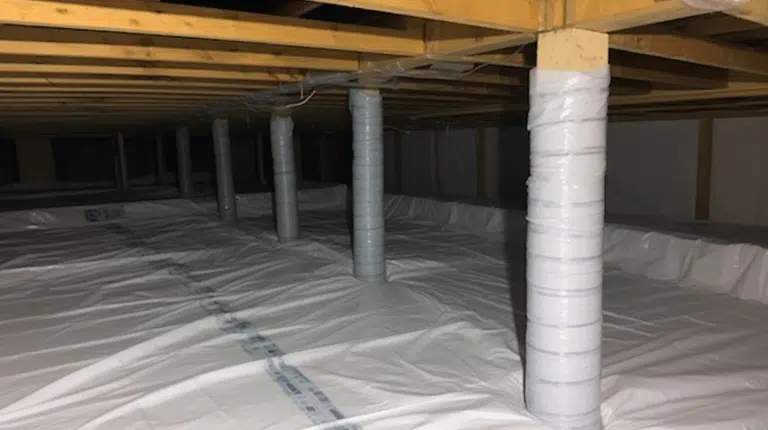
- Comprehensive Inspection: The inspection process should go beyond obvious areas. HVAC systems, attics, crawl spaces, and even bathroom vanities should all be thoroughly evaluated.
The Importance of Professional Expertise
The remediation process requires skilled professionals who understand the complexities of mold removal. Unfortunately, as Rubino notes, the mold remediation industry can sometimes feel like the "Wild West", with inconsistent standards and practices. Homeowners should ensure that contractors:
- Align with their goals (e.g., complete removal vs. cosmetic fixes)
- Follow best practices, including surface and air testing
- Have experience with mold in similar climates, such as the damp Pacific Northwest
Step 3: Post-Remediation Testing – Validating Success
Even the best remediation efforts can fall short without proper follow-up. Post-testing is an essential step to ensure the mold problem is fully addressed.
What Is Post-Testing?
Post-testing involves air and surface sampling to confirm that:
- The mold source has been completely removed
- The surrounding areas are free of contamination
- The remediation process was thorough and effective
Rubino underscores the importance of this step: "Post-verification goes from human intention to precision accuracy." Without it, you risk lingering mold that can continue to impact your health and home.
Long-Term Prevention Strategies
Mold remediation doesn’t end with removal – it requires proactive measures to prevent future issues. Here’s how homeowners in the Greater Seattle region can reduce the likelihood of recurrence:
- Control Moisture: Use dehumidifiers to manage indoor humidity, especially in basements and crawl spaces.
- Address Water Intrusion: Repair leaks promptly and waterproof vulnerable areas like basements.
- Encapsulation: Consider non-toxic encapsulants to protect moisture-prone areas.
- Monitor Regularly: Conduct annual dust tests to catch potential issues early.
Rubino advises homeowners to test their homes at the same time each year for consistency. By monitoring changes in mold levels, you can intervene early if new problems arise.
Key Takeaways
- Mold is more than what you see. Invisible spores and toxins often spread beyond the visible problem areas.
- Pre-testing is essential. Tools like dust tests provide a detailed map of mold issues, allowing for targeted remediation.
- Effective remediation focuses on removal. Mold must be physically removed, not just fogged or painted over.
- Fix the source to prevent recurrence. Address water intrusion and moisture issues to avoid repeat problems.
- Post-testing validates success. Air and surface testing ensures that remediation efforts were effective.
- Prioritize based on impact. Use testing data to focus on the most critical areas, especially if you’re working within a budget.
- Prevention is key. Dehumidifiers, waterproofing, and annual tests can help maintain a mold-free home.
Conclusion
For homeowners in the Pacific Northwest, mold remediation is not just about cleaning up a visible problem. It’s about protecting your family’s health, ensuring the integrity of your home, and creating a safer living environment. By following a science-based, step-by-step approach – pre-testing, targeted remediation, post-verification, and prevention – you can tackle mold with confidence and precision.
Remember, mold remediation isn’t a one-size-fits-all solution. Every home and family is unique, and the key to success lies in tailoring your approach to your specific circumstances. With careful planning, the right tools, and a focus on long-term prevention, you can restore your home to a healthy, mold-free state.
Source: "Mold Remediation 101: 3 CRUCIAL STEPS for a Successful Mold Remediation" – Michael Rubino, Indoor Air Quality Expert, YouTube, Feb 3, 2025 – https://www.youtube.com/watch?v=6ZTbBO8Bn6A
Related Blog Posts
- How to Prevent Mold Growth in Crawl Spaces
- HVAC Maintenance: What Homeowners Need to Know
- Indoor Air Quality Checker
- 7 Signs Your Attic Insulation Needs Replacement