
If your home was built before the 1960s, upgrading your HVAC system can save energy, lower costs, and improve comfort. Older homes often lack efficient ductwork or rely on outdated heating systems, leading to energy losses of up to 30% and higher utility bills. Modern solutions like ductless mini-splits, heat pumps, and high-velocity systems offer efficient heating and cooling without major renovations, preserving your home’s character. Here’s a quick summary of the top options:
- Ductless Mini-Splits: Ideal for homes without ducts, offering energy savings and room-by-room temperature control.
- Heat Pumps: Handle heating and cooling efficiently, even in cold climates.
- High-Velocity Systems: Use small ducts to fit tight spaces, perfect for preserving older architecture.
Additional upgrades like smart thermostats, duct sealing, and insulation installation can further enhance performance and reduce energy waste. Regular maintenance ensures long-term efficiency and comfort while minimizing costs. Start by addressing insulation and air leaks before selecting the right system for your home.
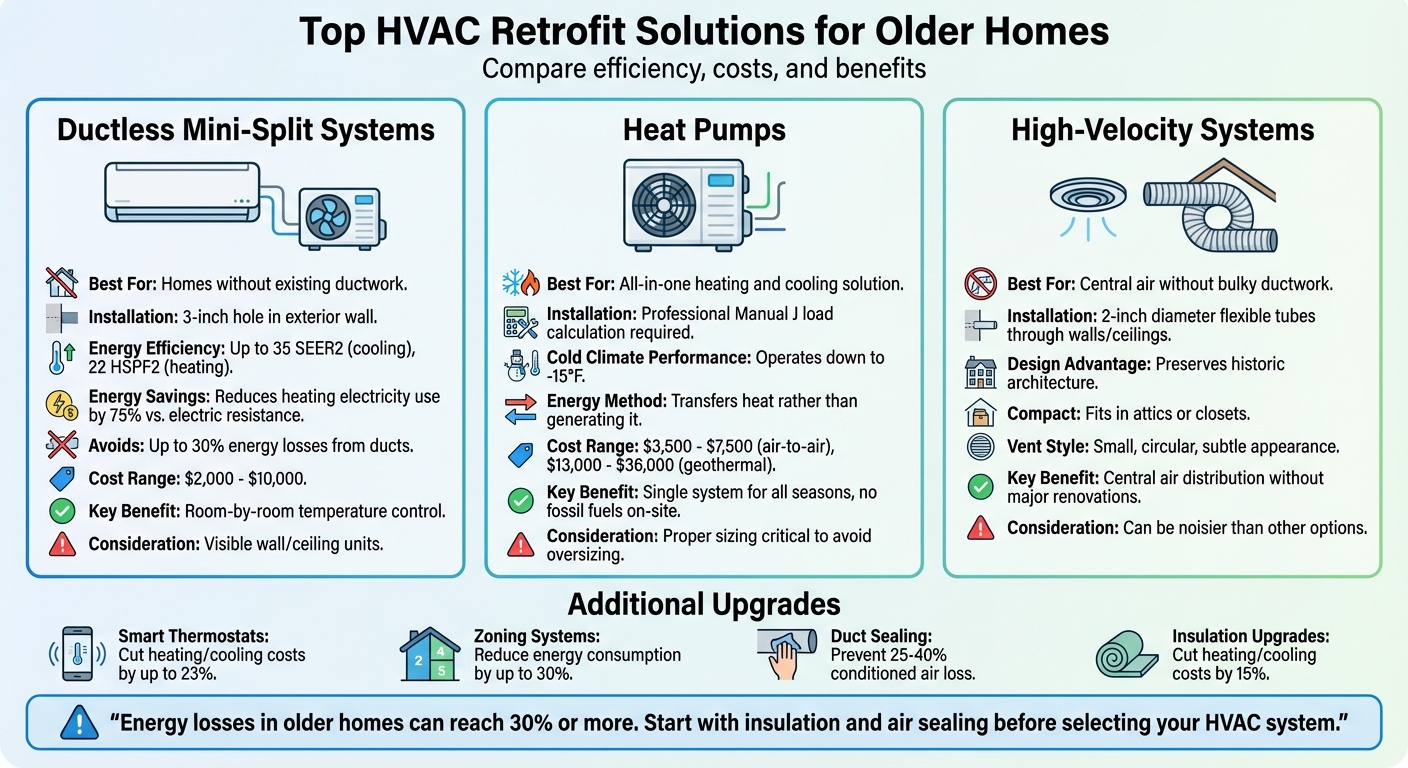
HVAC Retrofit Options for Older Homes: Comparison Guide
Add Central Air to an Old House with Hidden HVAC | The Unico System

sbb-itb-8db64ac
Best HVAC Retrofit Options for Older Homes
Finding the right HVAC system for an older home can be challenging. The goal is to upgrade without disrupting the charm and structure of your house. Here are three effective solutions that blend modern efficiency with minimal impact on your home’s original design.
Ductless Mini-Split Systems
If your home doesn’t have ductwork – common in houses with radiators or baseboard heating – ductless mini-split systems are a game-changer. They don’t require ducts, so there’s no need for major renovations. Installation involves drilling a small 3-inch hole in an exterior wall to connect the outdoor compressor to indoor air handlers. This approach keeps your home’s walls and ceilings intact, preserving its historic character.
These systems are known for their energy efficiency, with ratings as high as 35 SEER2 for cooling and 22 HSPF2 for heating. Plus, they avoid the energy losses (up to 30%) that come with traditional ducted systems. Each indoor unit operates independently, allowing you to control temperatures room by room. For example, you can keep living areas warm during the day and bedrooms cooler at night.
While some homeowners may find the visible wall or ceiling-mounted units less appealing, the energy savings are hard to ignore. As air-source heat pumps, mini-splits can reduce heating electricity use by about 75% compared to electric resistance heating. Installation costs typically range from $2,000 to $10,000, depending on the number of zones.
Heat Pumps for Heating and Cooling
For a versatile, all-in-one solution, modern heat pumps are an excellent choice. They handle both heating and cooling by transferring heat rather than generating it, making them efficient and cost-effective.
Advances in technology mean cold-climate heat pumps can now operate in temperatures as low as -15°F, making them suitable even for colder regions. This makes them a viable option for homes in northern states where traditional heat pumps once struggled.
"Heat pumps are the way of the future. For very little additional cost over standard air-conditioning, you get a single system for all seasons that doesn’t burn fossil fuels on-site." – Ross Trethewey, home technology expert.
However, proper planning is critical. This includes scheduling an annual HVAC and ductwork check-up to ensure your home’s infrastructure can support the new system.
"Beware of installers who specify a new system’s heating and cooling capacity based on a rule of thumb or what you had before. They should perform a Manual J load calculation… Without it, you could end up with a bigger, more expensive system than you need." – Richard Trethewey, plumbing and heating expert.
Installation costs vary widely, from $3,500 to $7,500 for air-to-air models to $13,000–$36,000 for geothermal systems.
High-Velocity HVAC Systems
For homeowners who want central air without the bulky ductwork, high-velocity systems offer a clever solution. These systems use flexible, insulated tubes just 2 inches in diameter to distribute air. The small tubes can easily snake through existing walls, floors, and ceilings, avoiding the need for extensive remodeling.
This design is especially appealing for preserving a home’s historic architecture. The vents are small and circular, blending seamlessly into walls and ceilings for a subtle look. Additionally, the compact air handler units can fit into tight spaces like attics or closets, where standard systems might not work.
One drawback is noise – air moving at high speeds through narrow tubes can be louder than traditional systems or mini-splits. However, for those who want central air distribution without visible wall units or major renovations, high-velocity systems strike a good balance.
"Older homes can enjoy upgraded HVAC and climate control without sacrificing efficiency, comfort, or their unique feel and aesthetics." – Doug Davis, Owner/Technician at A/C & Plumbing Doctors.
Adding Smart Technology to HVAC Retrofits
Modern HVAC retrofits go beyond just upgrading hardware – they now include smart technology to maximize efficiency and convenience.
Smart Thermostats and Zoning Systems
Smart technology offers better control over both comfort and energy usage. Smart thermostats are a straightforward upgrade that lets you manage your home’s temperature remotely via smartphone apps, so you can make adjustments no matter where you are. Some advanced models even learn your daily routine and automatically adjust settings to save energy.
These thermostats can make a big difference, potentially cutting annual heating and cooling costs by up to 23%. On top of that, they provide detailed energy usage reports and send maintenance alerts, like reminders to change filters or warnings about performance issues.
When paired with zoning systems, smart thermostats become part of a more comprehensive energy-saving strategy. Zoning systems split your home into separate areas, each with its own temperature control. This is particularly useful in older homes with multiple floors or rooms that tend to heat or cool unevenly. By conditioning only the rooms in use, zoning systems can reduce energy consumption by up to 30%. These systems typically include motorized dampers in the ductwork, a central control panel, and individual smart thermostats for each zone.
Before upgrading, make sure your home has a C-wire (common wire), which is often required for smart thermostat installation. Place remote sensors in frequently used rooms, avoiding areas with direct sunlight or drafts for accurate readings. In multi-story homes, zoning ensures energy isn’t wasted on unoccupied floors while keeping active spaces comfortable. While many smart thermostats are easy to install yourself, professional help is a good idea for complex zoning setups or when working with older heating systems like boilers or furnaces.
These smart technologies work seamlessly alongside efficient HVAC retrofits, helping you maintain comfort while respecting the character of your home.
| Technology | Energy Savings Potential | Key Benefits |
|---|---|---|
| Variable Frequency Drives | 20–50% | Lower energy use, longer equipment lifespan |
| Heat Recovery Systems | 30–60% | Reuses waste heat, boosts overall efficiency |
Air Quality and Insulation Improvements for Retrofits
Improving air distribution in older homes isn’t just about upgrading HVAC systems – it’s also about addressing ductwork and insulation to ensure the system operates efficiently.
Even the best HVAC systems can’t perform well if conditioned air escapes. In older homes, 25% to 40% of conditioned air is lost due to duct leaks, gaps, and aging insulation. This makes fixing air quality and insulation issues just as important as upgrading the equipment.
Air Duct Cleaning, Sealing, and Insulation
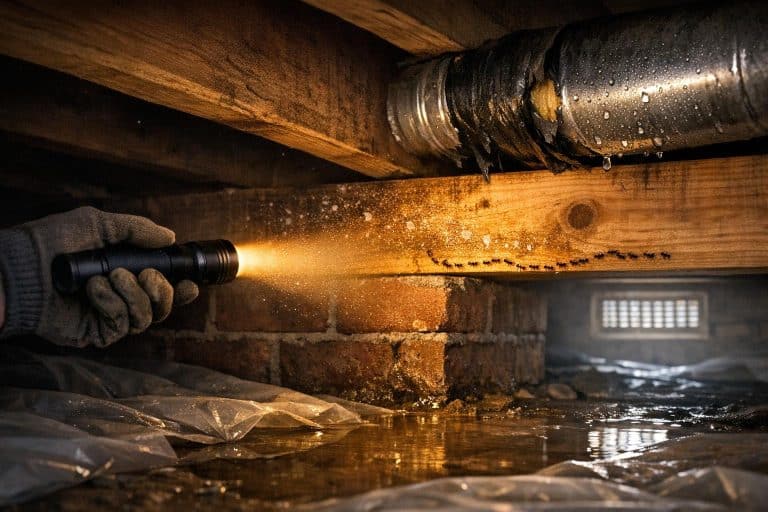
In older homes, ductwork often runs through attics and crawlspaces where summer temperatures can climb above 120°F. These conditions wear down insulation and adhesives, leading to leaks that can increase the HVAC system’s workload by as much as 50%. Even a small two-inch gap in a supply duct can reduce system performance by over 20%.
Start with a professional inspection, which may include using cameras to spot hidden problems like internal collapses, pest infestations, or mold. Once identified, seal joints and seams with duct mastic instead of cloth-backed duct tape, which tends to fail quickly in high heat. After sealing, insulate cooling ducts with materials that include a vapor barrier to prevent condensation and mold.
The benefits are undeniable. When ducts leak just 20% of conditioned air, your HVAC unit may need to work 50% harder. Properly sealed and insulated ducts not only save energy but also keep dust, allergens, and odors from entering the system through crawlspaces or attics. Have a professional check vent airflow to ensure the system is distributing air evenly and efficiently.
Beyond ductwork, improving the insulation and sealing of the entire building envelope can further enhance efficiency.
Insulation and Air Sealing Upgrades
Upgrading insulation in attics, walls, and crawlspaces works hand-in-hand with duct improvements to reduce strain on your HVAC system. Experts recommend sealing air leaks first, as this prevents moisture issues and maximizes efficiency.
Focus on areas like vented crawlspaces, garages, and attics, where heat transfer is most significant. Use materials like caulk, expanding foam, and weatherstripping to seal gaps before adding insulation such as blown-in cellulose or fiberglass batts. This combination of air sealing and insulation can cut heating and cooling costs by about 15%. It also allows you to install a smaller, more efficient HVAC system tailored to your home’s actual needs.
To ensure safety during air sealing, have a professional perform combustion safety tests to avoid backdrafting carbon monoxide. Envirosmart Solution’s CRAWL SPACE & ATTIC CARE™ annual inspection package offers a comprehensive check of insulation, air gaps, and rodent activity, along with a 15% discount on recommended improvements – making it easier to manage these essential upgrades.
Maintenance Plans for Long-Term HVAC Performance
After investing in a retrofit, keeping your system in top shape through regular maintenance is crucial. On average, households spend over $2,200 annually on energy bills, with nearly half of that going toward HVAC systems. Skipping maintenance can quickly lead to reduced efficiency and higher costs.
"Dirt and neglect are the top causes of heating and cooling system failure and inefficiency." – ENERGY STAR
Routine upkeep can prevent problems like short-cycling and identify issues such as stuck air economizer dampers, which waste energy. For older homes with retrofits that include air sealing, maintenance becomes even more important to ensure proper venting for combustion appliances and adequate airflow.
Simple tasks like checking filters monthly and clearing debris around units can help. However, professional servicing is key to achieving the full 15- to 20-year lifespan of your system. Professionals handle tasks like refrigerant level checks, electrical inspections, clearing condensate drains, and thermostat calibration to keep your HVAC running at peak performance. Custom maintenance plans can further protect your retrofit investment.
Annual Maintenance Packages from Envirosmart Solution

Envirosmart Solution offers specialized maintenance plans tailored to retrofitted systems, starting at $199.
- FURNACE CARE™: Includes heat exchanger inspections, checks on combustion air transfer grilles, and vent and chimney condition assessments.
- SMART DUCTS™: Seals return grilles, conducts duct blaster tests to identify leaks (which can lower efficiency by up to 30%), and balances airflow throughout your home.
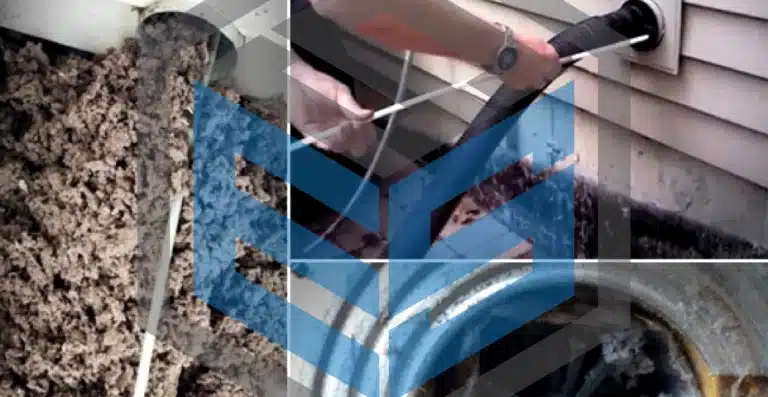
- DRYER SMART™: Clears lint buildup and ensures proper venting, which not only improves appliance efficiency but also reduces fire risks.
For those seeking comprehensive coverage, the SMART GOLD™ package is available at $699. It combines all four maintenance services and offers a 20% discount on additional work. These plans are designed to complement your retrofit upgrades, helping maintain efficiency and comfort while extending equipment life. They also assist homeowners in meeting requirements for federal tax credits and utility rebates. With added benefits like priority scheduling and emergency response, these packages ensure your system stays protected year-round and maximizes the return on your investment.
Conclusion: Selecting the Right HVAC Retrofit
Choosing the ideal HVAC retrofit for your older home involves balancing modern convenience with the unique challenges of historic architecture. Many older homes face issues like outdated or poorly insulated ductwork, which can lead to energy losses of 30% or more, as previously mentioned. Space constraints, such as narrow basements or thick plaster walls, often determine whether a ductless system or small-diameter tubing is the better fit. It’s equally important to preserve architectural details – like crown moldings and wainscoting – while upgrading to a system that delivers modern comfort.
Start by addressing weatherization. Sealing air leaks and improving insulation is a must before installing new equipment. This step not only prevents oversizing but also boosts efficiency. Considering that heating and cooling typically account for about 40% of energy costs, proper weatherization can make a significant difference. Professional ACCA Manual J load calculations can further ensure your system is appropriately sized, avoiding inefficiencies.
Partnering with experienced professionals can simplify the process. Companies like Envirosmart Solution provide detailed energy audits, custom system designs tailored to your home’s structure, and assistance with complex upgrades – all while maintaining your home’s character. They can also guide you through available financial incentives, such as federal tax credits (up to $2,000 annually for heat pumps) and local utility rebates, to help offset costs.
The benefits of a well-planned retrofit are clear. Upgrading HVAC systems can cut energy use by 20% or more and eliminate common issues in older homes, like drafts, temperature inconsistencies, and excessive noise. For instance, upgrading to a 16 SEER2 system in a 2,000 sq. ft. home could save between $200 and $450 annually on cooling costs. Additionally, improvements in indoor air quality through mechanical ventilation and high-MERV filtration can create a healthier living environment.
Looking ahead, new HVAC systems must comply with regulations requiring low-GWP refrigerants like R-32 or R-454B by 2026. These refrigerants necessitate A2L-certified equipment and trained installers. Ensure your technician is certified and familiar with local building codes to guarantee your retrofit meets these standards. Staying aligned with these requirements is key to achieving both efficiency and comfort in your home.
FAQs
How do I choose between a mini-split, heat pump, or high-velocity system for my older home?
When choosing between a mini-split, heat pump, or high-velocity system for an older home, it’s important to weigh a few key factors: the presence of existing ductwork, energy efficiency goals, and the desire to maintain the home’s original charm.
- Mini-splits are a great choice if your home lacks ductwork. They provide zoned comfort, operate quietly, and don’t require invasive installation.
- Heat pumps are a solid option for homes with existing ductwork, offering efficient heating and cooling through the same system.
- High-velocity systems are ideal if you want to avoid disrupting the home’s aesthetics, as they use small, flexible ducts that are easier to conceal.
To make the best decision, consider having a professional evaluate your home’s specific needs and layout. This ensures you get a system that balances comfort, efficiency, and the preservation of your home’s character.
What should I weatherize first so my new HVAC system isn’t oversized?
To prevent ending up with an HVAC system that’s too large for your home, the first step is to weatherize your space. Start with air sealing and insulation. Focus on sealing drafts and leaks around windows, doors, and any other gaps or penetrations. Once that’s done, insulate key areas like walls, the attic, and crawl spaces. By reducing air leaks and minimizing heat loss, these measures help ensure more accurate load calculations, leading to a system that’s sized just right. This not only improves comfort and energy efficiency but also avoids the problems that come with an oversized system.
Will a smart thermostat work with my existing wiring and older heating system?
A smart thermostat can often be integrated with your existing wiring and older heating system, provided your setup includes a common wire (C wire). However, many older systems might not have this wire. To confirm compatibility, check your system’s manual or wiring configuration. If you’re unsure, reaching out to a professional can help ensure everything works smoothly.